

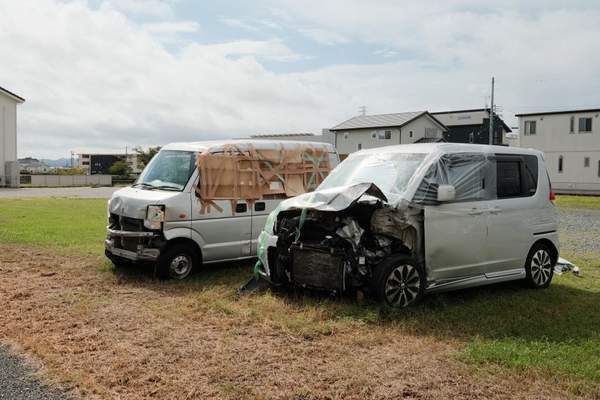
A used car can look spotless from ten feet away and still carry evidence of a previous collision. The key is to look for consistency: paint should match, panel gaps should be even, fasteners should look undisturbed, and the car should drive straight without odd warning lights or noises. A minor accident is not automatically a reason to reject a vehicle, but hidden structural damage or poor safety-system repairs can create added risk.
Start With the Car Clean, Dry, and in Good Light
Inspect the vehicle outdoors in daylight if possible. Rain, heavy shade, and dirt can hide color differences, overspray, and small ripples. Walk around slowly and view the finish from several angles. Compare both sides. If the hood sits higher on one side, one headlight looks much newer, or a door stands proud of the body, investigate further.
Check Paint for Repainting and Blending
Repaint detection starts with color and texture. Compare adjacent panels for changes in shade, metallic flake, gloss, or orange-peel texture. A repaired fender may match head-on but look darker or lighter from an angle. Check rubber seals, trim, wheel-arch liners, and door jambs for overspray or masking edges.
A paint-thickness gauge can help, but one reading does not prove accident damage. Factory paint varies by panel and material. Compare similar panels on the same car and look for unusually large differences that line up with other collision repair signs.
Study Panel Gaps and Fasteners
Look at gaps around the hood, trunk, doors, fenders, and bumpers. They should generally remain even. A narrowing gap, a door that needs extra force to close, or a bumper corner that does not sit flush can point to previous adjustment or repair.
Open the hood, trunk, and doors and inspect visible bolts. Scratched bolt heads, broken paint around mounting points, or washers sitting in a different position can indicate a panel was removed or realigned. That does not prove a major crash, but it is a reason to keep checking.
Look for Structural Repair Clues
A useful frame damage check goes deeper than the outer paint. Under the hood, inspect visible supports, inner fenders, strut-tower areas, and front rails. In the trunk, lift the floor covering and check the spare-wheel well, rear body panel, and seams. Underneath, check rails, crossmembers, and mounting points where access is safe.
Watch for wrinkled metal, fresh seam sealer, irregular welds, localized heavy undercoating, distorted holes, or metal that appears newly straightened. Factory construction differs between vehicles, so one unfamiliar weld is not proof. Side-to-side differences are more meaningful and should be checked by a qualified body-repair professional.
Check Glass, Lights, and Repair Details
Windows, headlights, and taillights often carry markings or date codes. One replacement part may result from a stone chip, theft, or parking damage. Several newer components concentrated on the same corner can support other evidence of used car accident damage. Missing clips, mismatched fasteners, or fresh hardware in that area can add to the pattern.
Use the Tires and Test Drive as Supporting Evidence
Uneven tire wear can come from alignment problems, worn suspension parts, incorrect pressure, or collision-related geometry issues. During the test drive, see whether the steering wheel sits centered, the car tracks straight on a reasonably level road, and braking feels stable without pulling or vibration.
Listen for wind noise around doors, rattles over bumps, or tire rubbing at steering lock. None of these symptoms proves previous collision damage alone, but several clues pointing to the same area deserve professional inspection.
Pay Special Attention to Airbags and Safety Systems
Deployed airbags cannot simply be reused; they must be replaced correctly. When you start the car, observe the airbag or supplemental restraint system warning indicator and compare its behavior with the owner’s manual. A warning that stays illuminated, unusual indicator behavior, or obvious replacement of steering-wheel, dashboard, seat-belt, or trim components should be investigated.
NHTSA has warned used-car buyers about dangerous substandard replacement airbag inflators. If a vehicle has a known crash involving airbag deployment, ask for repair documentation and have the restraint system inspected by a qualified professional.
Check the VIN and Vehicle History
Match the VIN on the dashboard with the driver-door label and ownership documents. In the United States, an NMVTIS report can show title brands, salvage history, and reported total-loss information. Other services may add accident, auction, service, or damage records.
A clean report does not prove a car has never been hit. A collision repaired privately or never reported may not appear. Use history records as one layer of evidence, not a substitute for inspecting the vehicle. Check the VIN separately for open safety recalls as well.
Follow a Pattern of Clues: A Practical Example
Imagine a sedan with a slightly darker left-front fender. That alone might mean a cosmetic repaint. Then you notice tool marks on the fender bolts, a newer left headlight, overspray on the wheel-arch liner, and a hood gap that tightens near that corner. Together, those clues make a previous front-corner repair much more likely. Instead of guessing how severe the crash was, ask for records and arrange an independent inspection focused on structure, suspension, sensors, and repair quality.
Know When to Bring in a Professional
A pre-purchase inspection can help separate cosmetic work from a serious issue. The FTC advises buyers not to treat a vehicle history report as a substitute for an independent inspection. When collision repair is suspected, a reputable body shop familiar with structural measuring can add useful expertise.
Consider walking away if the seller refuses an independent inspection, the VIN or records do not match, major structural repairs cannot be documented, airbag concerns remain unresolved, or several signs suggest poor-quality workmanship.
Frequently Asked Questions
Can a used car with previous accident damage still be a good buy?
Yes. Minor damage repaired correctly does not automatically make a vehicle unsafe or unreliable. What matters is the severity, repair quality, whether structural or safety systems were affected, and whether the price reflects the history.
What is the easiest sign that a used car has been repainted?
Color or texture differences between adjacent panels are common clues, especially with overspray, masking lines, disturbed bolts, or uneven panel gaps. No single visual sign is definitive.
Does a clean vehicle history report mean the car was never in an accident?
No. History reports depend on information supplied to their data sources, and not every collision is reported. Combine the report with a physical inspection and an independent pre-purchase inspection.
Should I buy a car that has had frame or structural repair?
Ask for documentation and have a qualified professional assess structural alignment, suspension geometry, airbags, and related safety systems. If the repair history is unclear or workmanship cannot be verified, the uncertainty is greater.
Final Check Before You Buy
The most reliable way to check a used car for previous accident damage is to combine visual clues, driving behavior, VIN and title history, repair records, and an independent inspection. Focus on groups of consistent clues rather than one replaced light or repainted panel. Good repair work should restore fit, function, and safety systems. If questions remain unanswered, keep shopping.
