

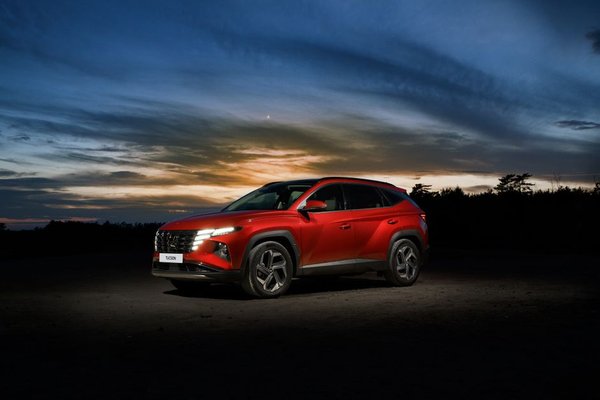
The Hyundai Tucson makes its strongest case in the moments that rarely appear in a brochure: a long commute, a crowded grocery-store parking lot, or a weekend when the cargo area has to swallow everyone’s bags. It is a compact SUV designed around everyday ease rather than driving excitement. For U.S. buyers comparing the 2026 model, the big questions are whether its roomy cabin, useful technology, and reasonable running costs outweigh its relaxed performance.
Comfort and Cabin Space: The Tucson’s Strongest Argument
The Hyundai Tucson interior feels more spacious than its compact footprint suggests. Its broad dashboard, uncluttered layout, and generous glass area give the cabin an open character. Front occupants get comfortable seating and plenty of adjustment, while the back row offers enough legroom for adults to travel without feeling squeezed. Hyundai lists 41.3 inches of rear legroom for the 2026 Tucson.
Ride comfort is another selling point. The Tucson generally absorbs broken pavement without making passengers feel every seam in the road. Road noise is reasonably controlled for the class, although larger wheels and rougher surfaces can change the experience. Shoppers who value a calm drive over sporty cornering should find its priorities appealing.
Hyundai Tucson Cargo Space in Real Life
According to Hyundai’s 2026 specifications, the gasoline Tucson provides 38.7 cubic feet of cargo space behind the rear seats using the SAE measurement and 74.8 cubic feet with the rear seats folded. Hyundai also publishes larger maximum-volume figures calculated differently, so check which measurement a comparison uses. The hybrid offers a similarly practical cargo area.
The shape matters almost as much as the number. A wide opening and relatively usable floor make it easier to load a stroller, coolers, or stacked shopping bags. The folding second row lets the Tucson handle bulkier purchases when passengers are not riding in back.
Here is a useful dealership test: bring the stroller or large suitcase you actually use, load it with the rear seats upright, then check whether the liftgate closes without rearranging everything. If you carry a rear-facing child seat, install it behind your normal driving position before judging cabin space. Those two checks reveal more than a cargo-volume figure alone.
Technology and Hyundai Tucson Features
The 2026 Tucson comes with a 12.3-inch infotainment touchscreen and wireless Apple CarPlay and Android Auto compatibility. The interface gives navigation, music, and phone functions plenty of room, and the overall presentation feels modern without requiring a luxury-SUV budget. An available 12.3-inch digital instrument cluster creates an especially cohesive look on higher trims.
Equipment depends on the version selected. Available conveniences include heated front seats, wireless phone charging, a hands-free liftgate, and upgraded parking cameras. Physical controls for frequently used functions help reduce the need to dig through screen menus while driving. Pair your phone before purchasing, and confirm that the equipment on the display vehicle is included in your chosen trim.
Driving Feel: Easygoing Rather Than Energetic
The standard gasoline Tucson uses a 2.5-liter four-cylinder engine producing 187 horsepower, paired with an eight-speed automatic transmission. Front-wheel drive is available, with Hyundai’s HTRAC all-wheel drive offered for buyers who want additional traction.
Around town, the gas model is straightforward and predictable. Its main weakness is acceleration: merging onto a fast highway or passing uphill can require more patience than in some rivals. Steering and handling are secure, but this is not the SUV to buy primarily for spirited driving.
The Tucson Hybrid offers a different balance. Its turbocharged 1.6-liter engine and electric motor deliver a combined 231 horsepower for 2026, helping it feel more responsive in everyday acceleration. If your test drive includes stop-and-go traffic followed by a highway on-ramp, drive both powertrains back-to-back. The difference may justify the hybrid’s higher purchase price even before fuel savings enter the discussion.
Hyundai Tucson MPG: Gas Versus Hybrid
EPA estimates for the 2026 gasoline Tucson are 25 mpg city, 33 highway, and 28 combined with front-wheel drive. All-wheel-drive versions are rated at 24 city, 30 highway, and 26 combined. These figures are competitive enough for a conventional SUV, although efficiency is not the gasoline model’s standout advantage.
The 2026 Tucson Hybrid is notably thriftier. Certain front-wheel-drive hybrid trims achieve an EPA-estimated 38 mpg combined; the most efficient all-wheel-drive hybrid is also rated at 38 combined, while other AWD hybrid trims are rated at 36 combined. Actual consumption depends on temperature, driving style, trip length, and equipment.
For a commuter covering 15,000 miles annually, comparing a 28-mpg gas Tucson with a 38-mpg hybrid suggests roughly 141 fewer gallons used per year by the hybrid. Multiply that difference by your local gasoline price, then compare the result against the actual out-the-door price difference. Our hybrid versus gas SUV comparison can help frame that calculation.
Safety, Pricing, and Everyday Value
The 2026 Tucson earned a Top Safety Pick+ award from the Insurance Institute for Highway Safety. Driver-assistance equipment includes technologies intended to help with forward collisions and lane keeping, while additional blind-spot and parking aids vary by trim. These systems support attentive driving; they do not replace it.
Hyundai lists a starting MSRP of $29,700 for the 2026 gasoline Tucson and $31,300 for the Hybrid, before freight, taxes, fees, and options. The company’s long powertrain warranty is attractive, but its 10-year/100,000-mile coverage has eligibility conditions, including restrictions for subsequent owners. Review the warranty booklet rather than treating every advertised term as universal.
The lowest sticker price is not always the best value. Compare insurance quotes, dealer offers, and the equipment you actually want. Our compact SUV buying guide and family SUV cargo space guide can help narrow the field before your next dealership visit.
Timing matters, too: Hyundai has announced an all-new Tucson for a U.S. launch in early 2027. If you are buying late in 2026, compare current-model discounts against the appeal of the upcoming redesign before committing.
Frequently Asked Questions
Is the Hyundai Tucson a good family SUV?
Yes, particularly for smaller families. Its comfortable second row, practical cargo opening, and available convenience features suit school runs and road trips. Check child-seat fit and luggage space in person, especially if you need three passengers across the rear bench.
How much cargo space does the Hyundai Tucson have?
The 2026 gasoline model has 38.7 cubic feet behind the back seats and 74.8 cubic feet with them folded, using Hyundai’s SAE figures. Other published maximum figures use a different measurement method.
Does the Tucson Hybrid get better gas mileage?
Yes. Depending on trim and drivetrain, the 2026 Hybrid is rated at approximately 36–38 mpg combined, compared with 26–28 mpg combined for the gasoline model.
What is the biggest downside of the Tucson?
The regular gasoline engine feels unhurried during hard acceleration. Drivers who frequently merge onto busy freeways or travel with a full load may prefer the stronger hybrid.
Final Verdict
The Tucson succeeds because it makes ordinary driving less demanding. Its comfortable seating, generous cargo space, user-friendly technology, and reassuring safety credentials are compelling for families and commuters. The gasoline version is a sensible choice when purchase price comes first; the hybrid is worth serious consideration for its livelier response and lower fuel use.
