

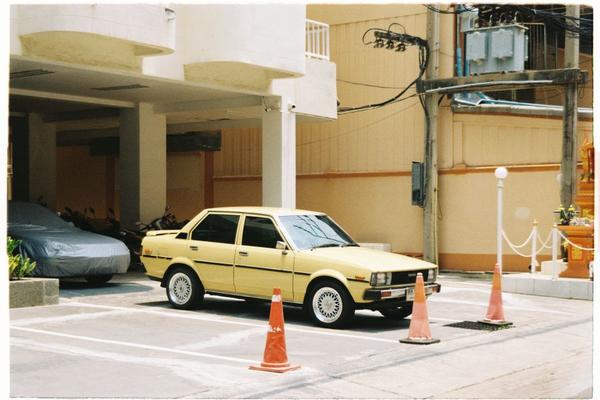
The Toyota Corolla has rarely tried to be the most exciting car in the showroom. Its appeal is practical: a manageable footprint, impressive fuel economy, reassuring safety technology and everyday usability that can make commuting less expensive. This Toyota Corolla review focuses on the U.S. sedan, using the 2027 lineup as the current reference point. The biggest decision isn’t the paint color. It’s whether the regular gas model or hybrid suits your routine.
Comfort: Easy to Live With, Not a Luxury Sedan
The Corolla’s driving position is approachable, its controls straightforward, and its compact dimensions make parking painless. Front-seat space suits most adults, with sufficient adjustment for everyday trips. The suspension generally softens ordinary road imperfections, although larger bumps still reach the cabin.
Long highway journeys expose the trade-offs. Road and tire noise are noticeable, while hard acceleration makes the engine sound busy. Consider the Corolla comfortable for routine travel rather than especially plush or isolated. If you spend hours on the interstate, include a highway stretch in your test drive.
Does the Toyota Corolla Interior Have Enough Room?
The Toyota Corolla interior has an uncomplicated layout with useful physical controls. Materials vary by trim. Two adults fit comfortably up front; the back seat works well for children and shorter adult journeys. Taller rear passengers may find headroom limited, especially behind a tall driver.
The sedan’s trunk holds roughly 13 cubic feet, enough for groceries or travel bags but less flexible than a hatchback. If you carry a stroller, take it to the dealership and try loading it. The trunk opening matters as much as the capacity figure.
Toyota Corolla MPG: Gas Versus Hybrid
Efficiency is a central reason to buy. For 2027, Toyota rates the gas-powered LE at a manufacturer-estimated 32 mpg city, 41 highway and 35 combined. Its 2.0-liter four-cylinder makes 169 horsepower. The gas sedan is economical without requiring a change in refueling habits.
The Corolla Hybrid goes further. Toyota estimates 53 mpg city, 46 highway and 50 combined for the front-wheel-drive Hybrid LE and XLE. Its hybrid powertrain produces 138 combined horsepower and never needs plugging in. All-wheel drive is available on selected hybrid grades, although its fuel economy is lower.
What Those Figures Mean for a Real Commute
Imagine driving 12,000 miles annually. At 35 mpg, the gas LE uses roughly 343 gallons; at 50 mpg, the front-drive Hybrid LE uses about 240. At an illustrative $3.50 per gallon, that’s approximately $360 in annual fuel savings for the hybrid. Real results depend on traffic, speed, weather and fuel prices.
The hybrid particularly suits stop-and-go traffic, where electric assistance and regenerative braking contribute more. Someone mainly driving steady highways might need longer to recoup the extra purchase cost. Comparing hybrid versus gas car costs over several years is more useful than picking the biggest mpg number.
Driving Feel: Calm and Predictable
The Corolla favors confidence over excitement. Steering is predictable, the car feels easy to place on narrow streets, and visibility is generally helpful. The gas model’s continuously variable transmission emphasizes efficiency but can sound strained during hard acceleration.
The hybrid feels especially at home in city traffic, moving smoothly at lower speeds. Neither version is a performance sedan. Drivers prioritizing quick passing power or sharp handling should test rivals. For errands and commuting, the Corolla’s unremarkable character is often a strength.
Toyota Corolla Features and Technology
Recent Corolla sedans provide genuinely useful technology. The 2027 model has a standard 8-inch multimedia touchscreen, with a 10.5-inch display on select higher grades or packages. Wireless Apple CarPlay and Android Auto compatibility keep navigation and music familiar. A 7-inch digital instrument display is standard; upper grades may have a 12.3-inch display.
Check the exact window sticker for heated seats, wireless charging and premium audio. Some connected-app services involve trials or subscriptions. Before paying for a larger screen, try the standard interface while parked and confirm the essentials are easy to operate.
Toyota Corolla Safety: Useful Standard Assistance
Toyota Corolla safety equipment is a meaningful selling point. For 2027, Toyota Safety Sense 3.0 includes a pre-collision system with pedestrian detection, full-speed-range adaptive cruise control, lane-departure alert with steering assistance, lane tracing, road-sign assistance and automatic high beams. Blind-spot monitoring with rear cross-traffic alert is also standard.
None of these systems replaces an attentive driver. Lane guidance depends on conditions and visible markings; automatic braking cannot prevent every crash. When checking independent crash ratings, use the specific model year and sedan body style. A car safety features explained guide can help distinguish driver assistance from crash protection.
Pricing, Trims and Everyday Value
Toyota’s published 2027 U.S. base prices start at $23,325 for the gas LE and $25,175 for the Hybrid LE, excluding the $1,295 delivery, processing and handling charge, taxes, dealer fees and options. SE grades add sportier details, while XSE and Hybrid XLE target shoppers seeking more amenities. Compare actual out-the-door quotes because prices vary.
The gas LE makes sense for lower upfront cost. The Hybrid LE is compelling for commuters facing regular traffic. Expensive upgrades can undermine the Corolla’s value, especially when a larger rival offers more room for similar money. A compact sedan comparison can reveal differences in noise, comfort and equipment.
Before buying, request insurance quotes on your chosen trim, compare tire costs and examine financing terms. Toyota’s reputation is reassuring, but reliability and resale value aren’t guaranteed for every vehicle. Service history and condition are especially important with a used Corolla.
Frequently Asked Questions
Is the Toyota Corolla a good daily driver?
Yes, for many commuters. Its easy-to-manage size, efficient engines and standard driver assistance fit routine travel. Buyers wanting a quieter cabin or spacious back seat might prefer a larger sedan.
Is the Corolla Hybrid worth paying more for?
Often, particularly for heavy city traffic or high annual mileage. Compare estimated fuel savings against the actual purchase-price difference rather than relying on mpg alone.
Does the Toyota Corolla have all-wheel drive?
Selected Corolla Hybrid trims offer electronic all-wheel drive. The regular gas sedan is front-wheel drive. Availability depends on trim and model year.
What is the Corolla’s biggest drawback?
Highway noise, modest rear-seat space and restrained acceleration are its most obvious compromises. A realistic test drive with passengers will show whether they matter to you.
Final Verdict
The Corolla succeeds by delivering what many compact sedan buyers actually need: modest fuel bills, simple operation, practical technology and meaningful standard safety assistance. Choose the gas LE for lower entry cost or consider the Hybrid LE if traffic dominates your week. Test both on familiar roads and buy the version that fits your routine, not simply the longest feature list.
