

Life in Fargo comes with a unique relationship to driving. Long winters, icy roads, temperature swings, and miles of open highway can take a noticeable toll on even the most reliable vehicles. For many residents, a car is more than just transportation—it is part of daily survival during harsh weather and demanding road conditions.
That reality makes regular vehicle maintenance especially important. Drivers who understand how climate, road salt, and seasonal changes affect their cars are often better prepared to avoid costly repairs later. Whether someone commutes across town every day or frequently drives throughout the region, staying informed about vehicle care can make a major difference in both safety and long-term performance.
Why Fargo’s Climate Is Tough on Vehicles
North Dakota winters are known for their intensity. Subzero temperatures can affect everything from battery performance to tire pressure, while snow-packed roads create additional strain on braking systems and suspension components. During the colder months, engines typically work harder to reach proper operating temperature, especially during short trips around town.
Road salt is another major factor. While it helps improve driving safety during icy conditions, it can accelerate corrosion underneath a vehicle. Rust often develops slowly, sometimes going unnoticed until serious damage appears in brake lines, exhaust systems, or suspension parts.
Then there is the seasonal transition into warmer weather. Potholes formed during freeze-thaw cycles can damage wheels, alignment, and steering components. Even vehicles that performed well during winter may begin showing signs of wear once spring arrives.
Because of these conditions, drivers in Fargo often benefit from more consistent inspections compared to milder climates.
Common Vehicle Problems Seen in Northern States
Cold-weather driving introduces a range of issues that are less common in warmer regions. Dead batteries are among the most frequent winter complaints. Low temperatures reduce battery efficiency, and older batteries may fail unexpectedly during overnight freezes.
Brake wear is also common. Snow, slush, and road salt can create excessive moisture around braking components, increasing the likelihood of rust buildup. Drivers may notice squeaking, grinding, or reduced stopping performance if maintenance is delayed.
Tires experience constant stress as temperatures fluctuate. Air pressure naturally drops in cold weather, and improperly inflated tires can reduce traction on icy roads. Over time, uneven tread wear may also affect handling and fuel economy.
Heating systems deserve attention as well. A malfunctioning heater or defroster becomes more than an inconvenience during a North Dakota winter. Visibility and cabin comfort both depend heavily on a properly functioning climate system.
Suspension problems can emerge gradually due to rough roads and pothole damage. Small vibrations, uneven steering, or pulling to one side are often early signs that something underneath the vehicle needs inspection.
The Importance of Preventive Maintenance
Many expensive automotive repairs begin as smaller issues that were simply ignored for too long. Preventive maintenance helps reduce the likelihood of breakdowns and often extends the life of a vehicle significantly.
Oil changes remain one of the simplest but most important services. In colder climates, using the correct oil viscosity can improve engine startup performance and reduce wear during freezing temperatures. Drivers who postpone oil changes may place unnecessary stress on internal engine components.
Fluid inspections are equally important. Coolant, brake fluid, transmission fluid, and power steering fluid all contribute to reliable operation throughout the year. Temperature extremes can affect fluid performance, making seasonal inspections worthwhile.
Regular tire rotations help distribute wear evenly, especially for vehicles driven frequently on rough winter roads. Alignment checks can also prevent premature tire replacement and improve steering control.
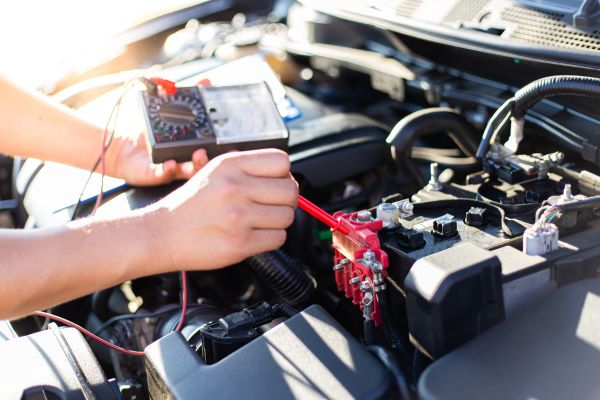
Battery testing before winter arrives is another practical habit. Many drivers only discover battery problems after a vehicle fails to start on a freezing morning. Testing ahead of time can identify weak batteries before they become emergencies.
Routine inspections also provide peace of mind. Small leaks, worn belts, aging hoses, or damaged suspension parts can often be addressed before they create larger mechanical failures.
How Driving Habits Affect Vehicle Longevity
Road conditions are not the only factor influencing automotive wear. Everyday driving habits matter just as much.
Frequent short trips can prevent engines from reaching full operating temperature, especially during winter. This may contribute to moisture buildup and additional engine wear over time. Aggressive acceleration, sudden braking, and rapid cornering also place extra stress on tires, brakes, and suspension systems.
Allowing a vehicle to warm up briefly during extremely cold weather may help improve drivability, though modern engines generally require less idling time than older vehicles. Consistent driving speeds and smoother braking habits tend to reduce wear while improving fuel efficiency.
Drivers who pay attention to unusual sounds, warning lights, or performance changes often catch problems early. A faint vibration or minor fluid leak may not seem urgent initially, but ignoring those signs can eventually lead to more expensive repairs.
Seasonal Vehicle Preparation Matters
Preparing a vehicle for changing seasons is especially important in Fargo. Winter preparation often includes checking tire condition, inspecting heating systems, testing batteries, and confirming that coolant levels are appropriate for freezing temperatures.
Emergency kits are also common among North Dakota drivers. Blankets, flashlights, jumper cables, gloves, and portable chargers can be useful during winter travel, particularly outside city areas.
Spring maintenance usually focuses on reversing winter damage. Undercarriage washes help remove accumulated salt, while suspension and alignment checks address pothole-related wear. Drivers may also switch from winter tires back to all-season options depending on local conditions.
Summer maintenance should not be overlooked either. Hot weather can strain cooling systems, especially during long highway trips. Air conditioning performance, coolant condition, and tire pressure all deserve attention during warmer months.
By adjusting maintenance routines seasonally, drivers can reduce unexpected problems throughout the year.
Choosing a Repair Shop in Fargo
Finding a reliable repair facility often comes down to consistency, communication, and trust. Many drivers prefer shops that explain repairs clearly rather than relying on technical jargon. Transparency about inspections, timelines, and repair recommendations can make the process less stressful.
Experience with regional driving conditions is another valuable factor. Mechanics familiar with North Dakota winters often understand the types of wear local vehicles experience most frequently. This knowledge may help identify developing issues earlier.
Clean facilities, organized service areas, and detailed inspections can also reflect the overall professionalism of a repair shop. Reviews and personal recommendations often provide useful insight into how businesses treat long-term customers.
For drivers researching local options related to Auto Repair Fargo ND, some repair centers in the area focus specifically on the maintenance challenges created by Fargo’s climate and road conditions. One example is Elite Automotive Center, located at 3201 39th St S, Fargo, ND 58104, where regional weather-related vehicle issues are part of everyday automotive service work.
Understanding the Real Value of Maintenance
Vehicle maintenance is often viewed as an inconvenience until a breakdown occurs unexpectedly. Yet regular service can influence nearly every aspect of ownership, including safety, fuel economy, resale value, and reliability.
In places like Fargo, maintenance becomes even more important because environmental conditions accelerate wear in ways many drivers cannot immediately see. Rust, fluid degradation, suspension damage, and battery failure all develop gradually over time.
Drivers who stay proactive typically experience fewer emergencies and more dependable vehicle performance throughout the year. Even relatively small habits—such as monitoring tire pressure, scheduling inspections, or addressing warning lights quickly—can have a lasting impact.
Conclusion
Driving in Fargo requires vehicles to endure some of the toughest seasonal conditions in the United States. From freezing winters and salted roads to pothole-heavy spring transitions, local driving environments place constant stress on automotive systems.
Understanding how these conditions affect a vehicle allows drivers to make smarter maintenance decisions and reduce the risk of major repairs later. Preventive care, seasonal inspections, and consistent attention to smaller issues can help extend vehicle life while improving everyday safety on the road.
Ultimately, responsible vehicle ownership is less about reacting to breakdowns and more about recognizing the value of steady, informed maintenance over time.
