

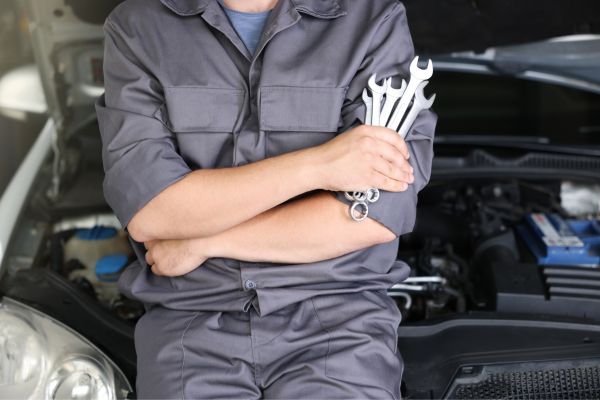
When a vehicle starts making an unfamiliar sound, hesitates at a red light, or flashes a warning light on the dashboard, the first thought is usually simple: where can I find reliable auto repair nearby? For drivers in and around Georgetown, that question matters because cars are part of daily life. Whether it is a commute, a school run, a weekend errand, or a drive across town, a dependable vehicle makes everything easier.
Searching for auto repair near Georgetown is not only about finding the closest garage. It is about knowing what kind of service your vehicle needs, how to recognize a trustworthy repair shop, and when to act before a small issue becomes a larger one. A good mechanic does more than replace parts. They help you understand your car, make sensible repair decisions, and keep your vehicle safe for the road.
Why Local Auto Repair Matters in Georgetown
Georgetown has a mix of busy streets, residential areas, historic roads, and regular city traffic. That kind of driving can affect a vehicle in different ways. Stop-and-go movement can put stress on brakes, tires, transmissions, and engine cooling systems. Short trips can also prevent the battery and engine from operating at their best for long periods.
This is why local auto repair matters. A mechanic familiar with the area understands the common driving conditions that vehicles face. They may see repeated patterns, such as brake wear from frequent stops, tire damage from rough roads, or battery issues caused by short-distance driving. That local knowledge can make inspections and repairs more practical.
For many drivers, convenience is another reason to search locally. When something goes wrong with a car, traveling far for repairs is rarely ideal. A nearby shop can make it easier to schedule maintenance, drop off the vehicle, and follow up if additional work is needed.
What Drivers Usually Mean by Auto Repair Near Me
The phrase “auto repair near me” can mean many things depending on the situation. Sometimes it refers to urgent help after a vehicle breaks down. Other times, it means routine maintenance, such as oil changes, brake inspections, tire service, fluid checks, or engine diagnostics.
A driver may search for repair help after noticing a specific symptom. The car may pull to one side, make grinding noises while braking, shake at highway speeds, or take longer than usual to start. In other cases, the issue is less obvious. A check engine light may appear without any immediate change in how the car drives.
A skilled mechanic begins by identifying the cause rather than guessing. Modern vehicles rely on electrical systems, sensors, computers, and mechanical parts working together. One warning light can point to several possibilities. Proper diagnostics help avoid unnecessary repairs and make the process more accurate.
Signs Your Car Needs Attention Soon
Cars usually give warning signs before a problem becomes serious. The challenge is knowing which signs should not be ignored. A dashboard warning light is one of the most obvious indicators. While not every light means an emergency, it should still be checked, especially if it stays on or flashes.
Unusual noises are another important clue. Squealing brakes, knocking from the engine, clicking while turning, or humming from the wheels can all suggest different issues. A new smell can also signal trouble. Burning odors, fuel smells, or a sweet scent from coolant should be taken seriously.
Changes in performance are just as important. If the vehicle struggles to accelerate, shifts roughly, vibrates, overheats, or uses more fuel than normal, it is worth having it inspected. Waiting too long often leads to more expensive repairs because one worn part can place stress on others.
The Value of Preventive Maintenance
Many drivers think about auto repair only after something breaks. Preventive maintenance takes a different approach. It focuses on keeping the car healthy before major problems appear. This can include oil changes, filter replacements, brake checks, tire rotations, fluid inspections, belt checks, and battery testing.
Routine maintenance helps extend the life of the vehicle. Clean oil protects the engine. Proper tire pressure improves handling and fuel efficiency. Healthy brakes support safety. Fresh fluids help major systems work smoothly. These small steps may seem basic, but they often prevent larger repair bills later.
Preventive care also gives drivers peace of mind. When a mechanic inspects a vehicle regularly, they may catch early wear before it becomes urgent. That allows the owner to plan repairs instead of being surprised by a breakdown.
How to Choose a Mechanic in Georgetown
Choosing a mechanic is not always easy, especially when a car issue feels stressful. A good starting point is communication. A reliable repair shop should be able to explain the problem clearly, describe the recommended work, and help the driver understand why the repair matters.
Transparency is also important. Before agreeing to repairs, drivers should know what is being inspected, what parts may be needed, and what the likely cost range looks like. Good mechanics do not pressure customers into unnecessary work. Instead, they explain priorities, including what needs immediate attention and what can be monitored.
Experience matters too. Different vehicles may require different knowledge, tools, and diagnostic methods. A shop that works with a range of makes and models is often better prepared to handle common repair concerns. Clean organization, clear records, and professional customer service can also tell you a lot about how a shop operates.
Understanding Diagnostics Before Repairs
Diagnostics are a major part of modern auto repair. Years ago, many vehicle problems were easier to identify by sound, feel, or visual inspection alone. Today, cars use complex computer systems that monitor engine performance, emissions, transmission behavior, safety features, and more.
When a warning light appears, a diagnostic scan can provide codes that help guide the inspection. However, codes do not always give the full answer. They point the mechanic toward a system or possible fault, but the technician still needs to confirm the actual cause. For example, a sensor code may be caused by the sensor itself, wiring, airflow issues, or another related component.
This is why a thoughtful diagnostic process matters. It reduces guesswork and helps protect the driver from paying for repairs that do not solve the real problem.
Brake, Tire, and Suspension Concerns
In a busy area like Georgetown, brakes and tires deserve regular attention. Brakes wear naturally over time, but city driving can speed up that wear. If the brake pedal feels soft, the car takes longer to stop, or there is a grinding sound, the system should be inspected quickly.
Tires also affect safety more than many drivers realize. Uneven tread wear may point to alignment or suspension problems. Low tire pressure can reduce fuel efficiency and increase the risk of tire damage. Vibrations at certain speeds may suggest balancing issues, worn suspension parts, or tire problems.
Suspension concerns can show up as clunking noises, uneven handling, bouncing, or a rougher ride than usual. These issues should not be dismissed as just comfort problems. They can affect steering, braking, and overall vehicle control.
Why Clear Communication Builds Trust
Auto repair can feel intimidating for drivers who are not familiar with vehicle systems. That is why clear communication is one of the most valuable qualities in a mechanic. Drivers should not feel confused about what is happening with their vehicle.
A good repair conversation should include the symptoms, inspection findings, recommended repair, and possible consequences of waiting. It should also leave room for questions. When a mechanic explains things in plain language, the customer can make a more confident decision.
Trust is built over time. It comes from honest inspections, fair explanations, and repairs that address the real issue. For many drivers, finding a dependable local mechanic means they no longer feel uncertain every time the car needs attention.
When Searching for Mechanic Near Me Georgetown
A search for <a href=”https://tenleytownautomotive.com/”>Mechanic Near Me Georgetown</a> often starts with urgency, but it can lead to a longer-term relationship with a shop that understands regular maintenance as well as repairs. Some drivers in the area may come across Tenleytown Automotive while comparing nearby options, especially when looking for general repair support, inspections, or guidance on vehicle concerns.
The important thing is to look beyond proximity alone. A nearby mechanic should offer clear explanations, careful diagnostics, and a practical approach to keeping the vehicle safe and dependable. Whether the issue is minor or more involved, the right repair experience should help the driver feel informed rather than pressured.
Conclusion
Auto Repair Near Me Georgetown is about more than fixing a problem after it appears. It is about understanding the condition of your vehicle, responding to warning signs early, and choosing a mechanic who communicates clearly. From brakes and tires to diagnostics and routine maintenance, every part of vehicle care plays a role in safety, reliability, and long-term performance.
A car does not need to be treated like a mystery. With regular attention and the right repair guidance, drivers can make better decisions, avoid unnecessary stress, and keep their vehicles ready for everyday life. In the end, dependable auto repair is not just about convenience. It is part of driving with confidence.
