

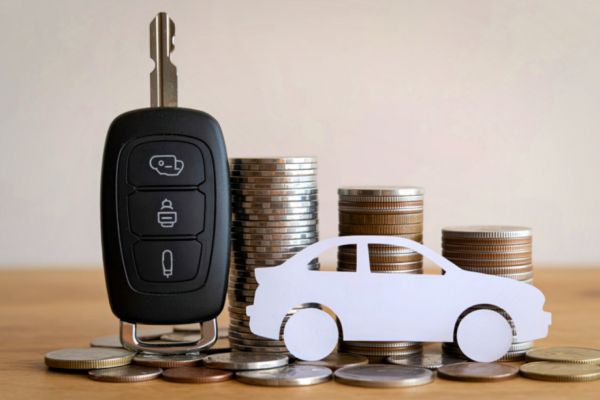
Buying a car isn’t just about choosing the right model or color. One of the biggest decisions happens before you ever turn the key: whether to lease the car or take out a loan to buy it. The debate around car lease vs loan pros and cons has been going on for decades, and for good reason. Each option comes with trade-offs that can shape your finances, your driving habits, and even how you feel about the car sitting in your driveway.
There’s no universally “right” choice. The smarter decision depends on how you use a car, how long you keep it, and how much flexibility you want in your monthly budget. Let’s walk through both sides carefully, without hype or sales talk, and look at what leasing and financing really offer in everyday life.
Understanding What Leasing and Buying Really Mean
When you lease a car, you’re essentially renting it for a fixed period, usually two or three years. You pay for the vehicle’s depreciation during that time, then return it at the end of the lease term. Ownership never changes hands.
A car loan works differently. You borrow money to purchase the vehicle outright, then repay the lender over time with interest. Once the loan is paid off, the car is yours, free and clear, even if it’s old or dented or far from glamorous.
This basic difference shapes everything else, from monthly payments to long-term costs.
Monthly Payments and Short-Term Affordability
One of the most talked-about advantages of leasing is the lower monthly payment. Because you’re only covering depreciation and not the full price of the car, lease payments are often significantly cheaper than loan payments for the same vehicle. This makes newer or more expensive cars feel more accessible.
Loans, on the other hand, usually come with higher monthly payments, especially if the loan term is short. Stretching the loan over five or six years can reduce the payment, but that often increases the total interest paid over time.
If short-term cash flow matters most, leasing tends to look attractive. If you’re thinking beyond the next few years, the picture becomes more complex.
Long-Term Costs and Financial Impact
This is where the car lease vs loan pros and cons conversation really shifts. Leasing may cost less month to month, but it can cost more over the long run. When a lease ends, you either start a new lease or walk away with nothing to show for the money you’ve spent.
With a loan, every payment moves you closer to ownership. Once the loan is paid off, your monthly car expense drops dramatically. Even if the car isn’t worth much on the resale market, its value to you can be significant simply because it’s paid for.
Over a decade, owning and driving the same car for several years after the loan ends is often far cheaper than continuously leasing new vehicles.
Maintenance, Repairs, and Predictability
Leased cars are usually under warranty for the entire lease term. That means fewer surprise repair bills and a more predictable ownership experience. Routine maintenance is often the only out-of-pocket cost beyond the lease payment.
Loan-financed cars eventually age out of warranty coverage. As the car gets older, repairs become more likely, and maintenance costs can rise. This unpredictability is one of the reasons some drivers prefer leasing, even if it costs more overall.
That said, reliable vehicles can go many years with minimal issues, especially if they’re well maintained. The risk is real, but it’s not guaranteed.
Mileage Limits and Driving Freedom
Leasing comes with strict mileage limits, often around 10,000 to 15,000 miles per year. Exceeding those limits can lead to hefty fees when the lease ends. This can be stressful for people who drive frequently or take long road trips.
Loans come with no such restrictions. Drive as much as you want, change jobs, move cities, or take cross-country trips without worrying about penalties. For high-mileage drivers, this freedom alone can make buying the car a better choice.
How you actually use your car matters more here than any spreadsheet comparison.
Ownership, Equity, and Flexibility
Ownership is one of the most overlooked factors in the lease-versus-loan discussion. When you finance a car, you’re building equity, even if it depreciates. You can sell the car, trade it in, or keep driving it as long as it runs.
Leasing offers far less flexibility. You can’t easily sell a leased car, and ending a lease early can be expensive. You’re locked into a contract with limited exit options.
For people who value control and flexibility, ownership tends to feel more satisfying, even if it comes with added responsibility.
Lifestyle Preferences and Psychological Comfort
There’s also a personal, emotional side to this decision that numbers don’t capture well. Some people love driving a new car every few years, enjoying the latest technology and safety features without long-term commitment. Leasing fits that mindset perfectly.
Others prefer stability. They like knowing their car is theirs, scratches and all, and don’t mind driving it well past its “prime.” For them, a loan aligns better with how they see cars: as tools, not status symbols.
Neither approach is more mature or more responsible. They simply reflect different priorities.
Interest Rates, Credit, and Financial Health
Your credit profile can influence which option makes more sense. Leasing often requires good credit to qualify for favorable terms. Loans are more widely available, but interest rates can vary dramatically based on credit score and loan length.
A low-interest loan can tilt the balance toward buying, especially if you plan to keep the car for many years. A high-interest loan, on the other hand, can erode the financial advantages of ownership.
It’s worth looking beyond the advertised monthly payment and considering the total cost over time.
Environmental and Practical Considerations
Leasing encourages faster vehicle turnover, which can mean more frequent manufacturing and disposal. Buying and keeping a car longer can reduce environmental impact, especially if the vehicle remains efficient and well maintained.
From a practical standpoint, ownership also allows customization. You can modify the car, add accessories, or let it age naturally without worrying about end-of-lease inspections or wear-and-tear charges.
These details may seem small, but they add up over years of use.
Weighing the Car Lease vs Loan Pros and Cons Honestly
At its core, the car lease vs loan pros and cons debate isn’t about which option is “better.” It’s about which one aligns with your habits, finances, and expectations.
Leasing offers lower monthly payments, predictable costs, and access to newer cars, but limits flexibility and often costs more over time. Loans require higher monthly commitments upfront but reward patience with ownership, freedom, and long-term savings.
The smartest choice is the one that fits your life as it actually is, not how you think it should be.
A Thoughtful Conclusion on Choosing What Works for You
Cars are deeply personal purchases, even when we pretend they’re purely practical. Choosing between leasing and buying isn’t just a financial calculation; it’s a reflection of how you move through the world.
If you value convenience, predictability, and driving something new, leasing may feel like a natural fit. If you value independence, long-term value, and ownership, a loan may serve you better.
Take the time to look beyond monthly payments and consider the bigger picture. When you do, the right choice often becomes clearer, not because one option wins, but because one option feels more honest for you.
