

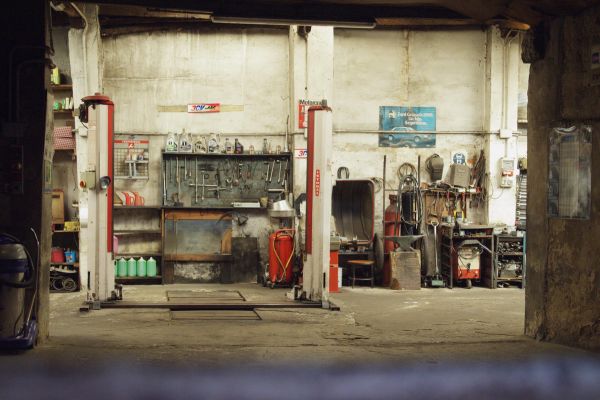
A garage has a funny way of becoming the most useful and the most neglected space in a home at the same time. It starts with a few tools near the wall, a couple of storage boxes, maybe a bicycle or two. Then the holiday decorations arrive, old paint cans get pushed into a corner, sports gear lands near the door, and suddenly the car is parked outside because the garage has quietly turned into a storage maze.
The good news is that a garage does not need to be huge, expensive, or professionally designed to feel organized. It simply needs a system that makes sense. The best garage organization ideas are not about making everything look picture-perfect for one afternoon. They are about creating a space that stays usable on normal days, when life is busy and nobody has time to search for a screwdriver under three dusty boxes.
A well-organized garage can become a proper workspace, a practical storage area, and a cleaner, calmer part of the home. It can make small repairs easier, keep tools within reach, protect seasonal items, and give you enough room to move without stepping over clutter. Once the garage starts working with you instead of against you, it becomes a space you actually want to use.
Begin With a Full Garage Reset
Before adding shelves, hooks, cabinets, or bins, the first step is to reset the space. This means pulling things out, sorting them honestly, and seeing what is really taking up room. It may feel like a big job at first, but it is difficult to organize around clutter that no longer belongs there.
Most garages contain items that fall into a few common groups: tools, car supplies, garden equipment, sports gear, household storage, seasonal decorations, and forgotten things that nobody has touched in years. Once everything is visible, decisions become easier. Broken items, empty containers, dried-out paint, duplicate tools, and outdated supplies should not get premium storage space.
This is also the moment to think about safety. Old chemicals, fuel containers, cleaning products, and automotive fluids should be handled carefully and stored properly. Anything hazardous should not be left loose or mixed with everyday household items. A clean start gives the garage a better foundation and makes every organization choice more effective.
Think in Zones Instead of Random Storage
One of the most practical garage organization ideas is to divide the garage into zones. This keeps similar items together and prevents the space from becoming a collection of unrelated piles.
A tool zone can sit near the workbench. Garden tools can stay near the garage door or outside access point. Sports equipment can have its own corner where children or family members can grab things easily. Car care supplies can be grouped together in one cabinet or shelf. Seasonal items can go higher up or farther back because they are not needed every week.
Zoning works because it follows real habits. If you always repair things on one side of the garage, tools should not be stored across the room. If you use lawn equipment often, it should not be buried behind holiday decorations. Good organization reduces unnecessary movement. You reach, use, return, and move on.
Keep the Floor as Clear as Possible
Garage floors attract clutter faster than almost any other surface. Once a box sits on the floor, another one usually joins it. Soon there is a narrow walking path, and everything feels harder than it should.
The floor should be treated as valuable workspace. Keeping it clear makes the garage easier to clean, safer to walk through, and more comfortable to use. It also helps protect items from moisture, pests, dust, and accidental damage.
Wall-mounted storage is usually the best solution. Shelves, pegboards, hooks, racks, and cabinets can lift items off the ground and free up walking space. Even simple wall hooks can make a big difference for ladders, hoses, cords, brooms, and folding chairs. Once items move upward, the garage immediately feels larger.
Use Wall Shelving for Everyday Storage
Wall shelving is one of the most reliable ways to organize a garage because it uses space that often goes wasted. Strong shelves can hold storage bins, toolboxes, cleaning supplies, paint cans, car accessories, and household extras.
The key is to avoid turning shelves into open clutter. Clear bins or labeled containers help keep items grouped and easy to identify. Frequently used items should stay at eye level, while rarely used supplies can go higher. Heavy items should stay lower so they are easier and safer to lift.
Open shelving works well when you want quick access. Cabinets work better when you prefer a cleaner look or need to keep dust away. Many garages benefit from a mix of both. The most useful items remain visible, while messy or less attractive supplies stay behind closed doors.
Add a Workbench That Fits the Space
A garage workspace does not feel complete without some kind of workbench. It does not have to be large or fancy. Even a simple, sturdy bench against the wall can change how the garage functions.
The workbench should be placed where there is enough light, easy access to tools, and room to stand comfortably. If the garage is narrow, a folding bench or wall-mounted surface may be better than a deep permanent table. In a larger garage, a longer bench can become the main project area for repairs, small builds, and household maintenance.
The area around the bench should stay intentionally organized. Basic hand tools, measuring tape, screws, fasteners, glue, chargers, and safety glasses should be nearby. When the bench becomes a dumping ground for random items, it loses its purpose. A good rule is to keep the work surface mostly clear so it is ready when needed.
Make Tools Visible and Easy to Return
Tools are easier to use when they are easy to see. A toolbox can be helpful, but it can also turn into a messy drawer where small tools disappear. For frequently used tools, visible storage often works better.
Pegboards are a classic garage solution for a reason. They keep tools off the bench and make it obvious when something is missing. Screwdrivers, pliers, wrenches, hammers, and measuring tools can all hang within reach. Slatwall panels offer a similar idea with a more flexible setup for hooks, baskets, and holders.
Drawer organizers are useful for smaller items such as bits, nails, screws, sockets, and blades. Small parts can become chaos quickly, so divided containers are worth using. The goal is simple: every tool should have a place that is easy to return it to. If putting something away feels annoying, it usually ends up on the nearest flat surface.
Store Seasonal Items Up High
Not everything in a garage needs to be within arm’s reach. Holiday decorations, camping gear, winter supplies, and occasional-use items can be stored higher up or in overhead racks.
Ceiling storage is especially useful in garages with limited floor space. Strong overhead racks can hold bulky bins and free up walls for more frequently used items. However, safety matters. Heavy boxes should not be stored overhead, and anything placed high should be secure and easy enough to bring down without risk.
Seasonal storage works best when bins are clearly labeled. Instead of opening five boxes to find one string of lights or a winter jacket, a simple label saves time. It may seem like a small detail, but small details are what keep an organized garage from becoming frustrating again.
Create a Smart System for Sports and Outdoor Gear
Sports gear can quickly take over a garage because it comes in awkward shapes. Balls roll around. Bats, rackets, and sticks lean against corners. Helmets, skates, and pads get dropped wherever there is space.
A dedicated sports zone solves much of this problem. Tall baskets can hold bats, hockey sticks, or rackets. Wall hooks can store bikes, scooters, and helmets. Mesh bins or open baskets work well for balls because they are easy to toss in quickly. The system should be simple enough that everyone in the house can use it.
Outdoor gear follows the same idea. Camping chairs, coolers, picnic supplies, and beach items should be grouped together rather than scattered across the garage. When one activity has one storage area, preparing for it becomes easier and cleanup becomes less of a chore.
Organize Garden and Yard Tools Vertically
Garden tools are long, awkward, and easy to trip over when they are not stored properly. Rakes, shovels, brooms, and trimmers should not be stacked in a corner where they slide down every time someone reaches for one.
Vertical wall storage is the cleanest solution. Individual hooks or tool racks keep handles in place and prevent tools from tangling. Smaller garden items such as gloves, pruning shears, seed packets, and plant ties can go in a nearby bin or cabinet.
If gardening is a regular activity, place this zone near the garage door or wherever you access the yard. This reduces dirt being carried through the garage and makes it easier to grab tools quickly.
Control Cords, Chargers, and Small Electronics
Many garages now hold cordless tool chargers, extension cords, battery packs, work lights, and small electronic accessories. Without a system, these items create tangled cords and crowded shelves.
A charging station can be very helpful. It may be as simple as one shelf near an outlet where batteries and chargers stay together. Extension cords can hang on hooks or cord reels, while smaller cables can go in labeled containers.
Loose cords on the floor are both messy and unsafe. Keeping them wrapped and off the ground improves the look of the garage and reduces tripping hazards. It also protects cords from damage caused by tires, tools, or moisture.
Use Labels Without Overcomplicating Everything
Labels are not just for people who love organizing. They are practical because they remove guesswork. A garage usually contains many items that are stored in boxes or bins, and after a few months it is easy to forget what is inside.
Simple labels work best. “Car care,” “holiday lights,” “painting supplies,” “bike tools,” and “camping gear” are enough. There is no need to create a complicated system that takes longer to maintain than the mess itself.
Labels are especially useful for shared spaces. When everyone knows where things belong, the garage is more likely to stay organized. It also prevents the classic problem of one person organizing everything and everyone else being unable to find anything.
Leave Room for Movement and Future Changes
A perfectly packed garage may look efficient, but it often becomes difficult to use. Good organization includes breathing room. You need space to walk, open car doors, move tools, carry boxes, and work on projects.
Try to protect main pathways. The route from the house door to the garage door should stay clear. If a car is parked inside, there should be enough room to open doors comfortably. If the garage doubles as a workspace, the area around the bench should allow normal movement.
It is also smart to leave some extra storage room for future needs. New tools, seasonal purchases, sports equipment, and household items will eventually appear. If every shelf is already full, clutter will return quickly.
Build Habits That Keep the Garage Organized
Garage organization is not a one-time project. It is a habit supported by a good system. The easier it is to put things away, the more likely the space will stay tidy.
A quick reset after each project makes a big difference. Tools should go back to their places, cords should be wrapped, and packaging should be thrown away. Every few months, it helps to review storage bins and remove items that are no longer needed.
The garage does not need to look perfect every day. It is a working space, and working spaces naturally get messy during use. The goal is not perfection. The goal is recovery. A well-organized garage can get messy during a project and return to order without a full weekend cleanup.
Conclusion
A garage becomes more useful when it is organized around real life. The best garage organization ideas are not about filling the space with storage products or creating a spotless showroom. They are about making the garage easier to use, safer to move through, and better suited to the tasks that happen there.
By clearing the clutter, creating zones, using walls and overhead areas, keeping tools visible, and giving every category a sensible place, the garage can become a practical workspace instead of a crowded storage corner. Small changes can make a big difference. A few hooks, labeled bins, better shelving, and a clear workbench can completely change how the space feels.
In the end, a perfect garage workspace is not the one that looks untouched. It is the one that supports your projects, stores your essentials, and still gives you room to breathe. When the garage is organized in a way that fits your routine, it becomes one of the most hardworking and satisfying spaces in the home.
