

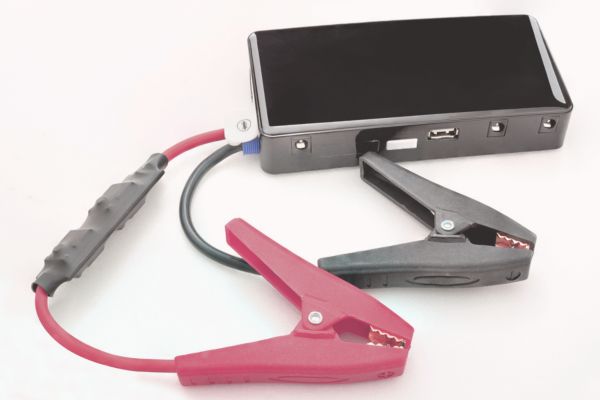
Why Portable Jump Starters Belong in Every Car
A dead battery has a strange way of choosing the worst possible moment. It happens in a quiet parking lot after work, outside the house when you are already running late, or at a fuel station where every other driver seems to be in a hurry. For years, the usual answer was to find another vehicle, pull out jumper cables, and hope someone was willing to help. Portable jump starters have changed that routine in a very practical way.
These compact power packs give drivers a little more independence. Instead of relying on another car, you can connect the jump starter to your battery, follow the safety steps, and get the engine moving again. It is not a glamorous tool, and most of the time it sits unnoticed in the trunk or glove box. But when the battery goes flat, it suddenly becomes one of the most useful things in the car.
The Quiet Confidence of Being Prepared
Preparedness on the road is not only about big emergencies. More often, it is about small problems that can ruin a day if you are not ready for them. A weak battery is one of those problems. Cold weather, short trips, old battery cells, interior lights left on overnight, or simply time can leave a vehicle unable to start.
Portable jump starters offer a kind of calm backup plan. You may never need one for months, maybe even longer. But knowing it is there changes the feeling of being stranded. That matters especially for people who drive alone, travel at night, commute long distances, or park in areas where help may not be easy to find.
How Portable Jump Starters Work
At their core, portable jump starters store enough electrical energy to give a car battery the boost it needs to start the engine. Most modern units use lithium batteries, which makes them smaller and lighter than older booster packs. They usually come with jumper clamps, a charging cable, and built-in safety features.
The process is simple in idea, though it should always be handled carefully. The positive clamp connects to the positive battery terminal, and the negative clamp connects according to the instructions, often to the negative terminal or a safe grounding point. Once connected correctly, the jump starter sends power to the vehicle so the engine can crank. After the engine starts, the unit is disconnected and recharged later.
What makes the newer generation appealing is portability. Many models are small enough to fit in a center console, yet strong enough for common passenger vehicles. That balance between size and usefulness is the main reason they have become so popular.
Choosing the Right Power Level
Not every jump starter is made for every vehicle. A small hatchback and a large pickup do not have the same starting needs. Engine size, fuel type, battery condition, and weather all affect how much power is required. Gasoline engines generally need less starting power than diesel engines, while larger engines need more than smaller ones.
This is where peak amps and cranking amps enter the conversation. These ratings can sound a little technical, but the practical idea is simple: the jump starter needs enough output to handle your vehicle comfortably. Buying one that barely meets the requirement may work in mild conditions but struggle when the battery is very weak or the weather is cold.
For most drivers, the best approach is to match the unit to the largest vehicle they expect to use it on. That gives a useful margin without turning the tool into something oversized or inconvenient.
Size and Storage Matter More Than You Think
A jump starter only helps if it is actually in the car when you need it. That sounds obvious, but it is where size and storage become important. A bulky unit may stay in the garage because it is annoying to carry. A compact one is more likely to live in the vehicle where it belongs.
Many portable jump starters fit neatly in a pouch with their cables. Some can slide under a seat, sit in the trunk organizer, or tuck into a door pocket. The best storage spot is dry, secure, and easy to reach. If you have to unpack half the trunk during a stressful moment, the tool becomes less convenient than it should be.
Temperature also matters. Extreme heat and cold can affect battery performance over time. Keeping the unit out of direct sunlight and checking its charge occasionally helps it stay ready.
Safety Features Are Not Optional
Jump-starting a battery involves electricity, metal clamps, and a vehicle system that needs proper handling. This is why safety features are worth paying attention to. Many modern portable jump starters include reverse polarity protection, short-circuit protection, overcurrent protection, and spark-resistant clamps.
These features do not replace careful use, but they reduce the risk of common mistakes. Reverse polarity protection, for example, helps if the clamps are accidentally connected to the wrong terminals. Clear indicator lights or warning sounds can make the process less intimidating for someone who does not work around cars often.
Good instructions matter too. A jump starter should be easy to understand when you are tired, cold, or frustrated. The moment your car will not start is not the ideal time to decode confusing diagrams.
Extra Features Can Be Useful, But Basics Come First
Many portable jump starters now include extra functions. Some have USB ports for charging phones, built-in flashlights, emergency strobe modes, air compressor combinations, or small displays showing battery level. These features can be genuinely helpful, especially during road trips or power outages.
Still, the main job comes first. A jump starter should reliably start the vehicle it is meant for. A bright flashlight is nice. A phone charging port is useful. But neither matters much if the clamps feel flimsy or the unit cannot deliver enough power. The smartest choice is usually a strong, dependable jump starter with extras that support real roadside situations rather than distract from them.
When a Jump Starter Cannot Solve the Problem
Portable jump starters are helpful, but they are not magic. If a battery is completely damaged, deeply failed, frozen, leaking, or unable to hold charge, a jump starter may not fix the situation. It may get the engine started once, but the car could fail again after being turned off.
A repeated need for jump-starting usually points to a deeper issue. The battery may be near the end of its life, the alternator may not be charging correctly, or something in the vehicle may be draining power while parked. In that case, the jump starter is a temporary rescue tool, not the actual repair.
That distinction is important. Being prepared should not turn into ignoring warning signs. If your car needs frequent boosting, it is time to inspect the battery and charging system.
Keeping Your Jump Starter Ready
A portable jump starter needs a little maintenance of its own. Most units hold charge for a long time, but they should still be checked every few months. A device stored at twenty percent charge for half a year may not be ready when needed. Recharging it on a regular schedule is a simple habit that keeps it useful.
It is also wise to inspect the cables and clamps now and then. Look for cracks, loose parts, corrosion, or anything that seems worn. Keep the instruction manual with the unit if possible, especially if more than one person drives the car. In an emergency, clear information is better than memory.
A Practical Tool for Modern Driving
Driving has become more connected and comfortable in many ways, but the basic problem of a dead battery has not disappeared. If anything, modern cars with electronics, sensors, screens, and accessories can make battery health feel even more important. Portable jump starters fit naturally into this reality. They are small, practical, and designed for a problem almost every driver will face eventually.
They also change the emotional side of a breakdown. Instead of waiting helplessly or searching for someone with cables, you have an immediate option. That sense of control is valuable, especially when weather, timing, or location makes the situation uncomfortable.
Final Thoughts on Staying Road-Ready
Portable jump starters are not exciting in the usual sense, but they are deeply useful. They sit quietly in the car until the day they are needed, and on that day, they can turn a stressful delay into a manageable pause. Choosing the right one means thinking about your vehicle, storage space, safety features, and how often you drive in conditions where help may not be close.
In the end, being prepared on the road is rarely about fear. It is about making ordinary problems easier to handle. A charged, reliable jump starter gives you one more layer of confidence, and sometimes that is exactly what a driver needs when the engine refuses to turn over.
