

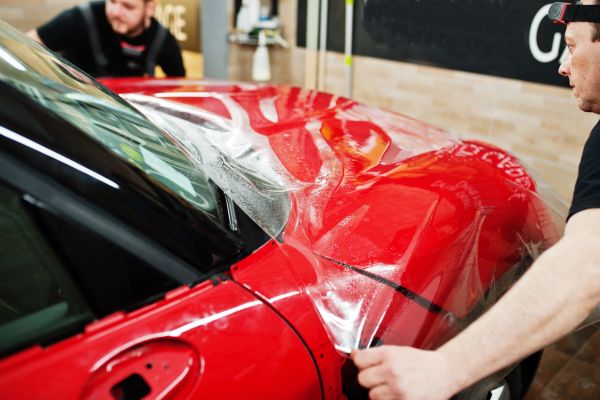
Car protection is often discussed in dramatic terms. People talk about stone chips, scratches, road debris, harsh sunlight, bird droppings, and the slow fading that comes from years of daily driving. All of that matters, of course. But one part of paint protection film that sometimes gets less attention is the surface itself. More specifically, how that surface behaves when water, dirt, grime, and road film land on it.
That is where hydrophobic PPF becomes important. A hydrophobic paint protection film does more than simply sit on top of the paint as a clear shield. It helps water bead up and roll away more easily, taking loose dirt and surface contamination with it. The result is not a car that magically stays clean forever, but a surface that is easier to maintain and less likely to hold onto everyday mess.
For long-term car protection, this matters more than many people realize. A vehicle’s finish is not damaged only by sudden impacts. It is also affected by the small things that build up slowly: dirty rainwater, mineral deposits, bug residue, tree sap, road salt, dust, and repeated washing. Hydrophobic PPF helps reduce how aggressively those contaminants stick to the surface.
What Hydrophobic PPF Really Means
The word hydrophobic simply means water-repelling. On a car surface, this shows up as tight water beads that roll off instead of spreading flat across the panel. When the film has a strong hydrophobic top coat, rainwater and rinse water move more freely, leaving less residue behind.
This behavior comes from the top layer of the film. Modern PPF is usually made with several layers, including adhesive, polyurethane film, and a surface coating. The hydrophobic effect is part of that outer layer. It is the section exposed to the environment every day, so it plays a major role in how the film feels, cleans, and ages.
A good hydrophobic surface feels slick to the touch after washing. Water does not cling to it as heavily. Dirt may still land on the vehicle, but it often releases with less effort during a proper wash. That difference can make normal maintenance feel much easier, especially for owners who wash their cars regularly.
Why Water Behavior Affects Paint Protection
It is easy to think water is harmless, but water rarely touches a car alone. Rain may carry pollution, dust, minerals, and environmental fallout. Road spray can contain oil, salt, brake dust, and grime. If water sits on the surface and dries there, it can leave spots and residue. Over time, that residue can make the surface look dull and neglected.
Hydrophobic PPF helps because it reduces the amount of water that remains on the film after rain or washing. When water beads and rolls away, fewer minerals and contaminants are left behind. This does not remove the need for drying or washing, but it does make the process more forgiving.
For people who park outdoors, this can be especially helpful. A car exposed to sun and rain every day faces constant surface stress. Hydrophobic behavior gives the film a cleaner, easier-to-maintain outer layer, which supports the long-term appearance of both the film and the paint underneath.
Easier Washing Means Fewer Scratches
One of the quiet benefits of hydrophobic PPF is that it can reduce washing friction. Many fine scratches and swirl marks do not happen while driving. They happen during cleaning, when dirt is dragged across the surface with poor towels, dirty mitts, or rushed washing methods.
When grime sticks strongly to a car, more pressure is needed to remove it. More pressure means more risk. A slick hydrophobic surface allows dirt and road film to release more easily, so the wash process becomes gentler. This is not a replacement for proper technique, but it helps.
A car protected with hydrophobic PPF still needs a safe wash routine. That means rinsing first, using clean wash media, avoiding harsh brushes, and drying with soft towels. But because the surface is less grabby, the chance of grinding dirt into the film can be reduced. Over years, that small difference can help the vehicle keep a cleaner, fresher look.
Protection Against Everyday Contaminants
Paint protection film is best known for guarding against physical damage, such as chips and light scratches. Hydrophobic PPF adds another layer of practical value by helping with environmental contamination.
Bug splatter, bird droppings, tree sap, water spots, and road grime are not just ugly. Some contaminants can stain or etch if they sit too long, especially in hot weather. A hydrophobic top coat can make these substances less likely to bond aggressively to the surface. They may still need to be removed quickly, but the cleaning process is usually easier.
This is one reason drivers in harsh climates often care about hydrophobic performance. In rainy areas, water behavior matters. In dusty regions, easy rinsing matters. In winter climates, road salt and dirty slush can build up quickly. In hot places, contaminants can bake onto the surface. A film that releases dirt and moisture more easily can make ownership less stressful.
Hydrophobic PPF and Long-Term Appearance
A vehicle can be technically protected but still look tired if the surface becomes stained, dull, or difficult to clean. Long-term protection is not only about preventing damage under the film. It is also about keeping the film itself looking good.
Hydrophobic PPF supports that goal by helping the surface stay cleaner between washes. The film may maintain its gloss better because dirt and residue are not clinging as stubbornly. On dark vehicles, this can be very noticeable. Black and deep-colored cars show water spots, dust, and streaks quickly, so an easier-cleaning surface can make a real difference.
For matte or satin PPF, hydrophobic properties are also valuable, though the look is different. Matte finishes can be more sensitive to uneven contamination because gloss changes are easier to notice. A protective film that repels water and grime helps maintain a more consistent finish.
The Role of Film Quality
Not all hydrophobic PPF performs the same way. Some films bead water nicely when new but lose that behavior quickly. Others maintain slickness for longer because the top coat is better designed. This is why film quality and manufacturing standards matter.
When comparing products, buyers should look beyond simple phrases like “water-repellent” or “easy-clean.” It is worth considering the film’s material, top-coat durability, resistance to yellowing, adhesive quality, and warranty terms. A trusted PPF manufacturer should be able to provide clear information about how the film is built and what kind of performance buyers can reasonably expect.
For installers, consistent film behavior is especially important. A film that looks good on day one but becomes difficult to clean after a short period can lead to customer complaints. Long-term hydrophobic performance helps support both customer satisfaction and installer confidence.
Hydrophobic PPF Is Not a Substitute for Care
Hydrophobic PPF makes maintenance easier, but it does not mean a car can be ignored. This is one of the most common misunderstandings in paint protection. Water beading looks impressive, but it is not the same as self-cleaning.
A protected car still needs regular washing. Bird droppings should still be removed quickly. Bug splatter should not be left for weeks. Hard water should still be dried properly when possible. If the film is neglected, minerals and grime can build up and reduce hydrophobic behavior.
The good news is that maintenance does not have to be complicated. Gentle washing, film-safe shampoos, clean microfiber towels, and careful drying can help preserve the surface. Some owners also use PPF-safe maintenance sprays to refresh slickness, but these should be chosen carefully and used according to installer recommendations.
When Hydrophobic PPF Makes the Most Sense
Hydrophobic PPF is useful for almost any vehicle, but it becomes especially valuable for cars that are driven often. Daily drivers face repeated exposure to rain, dust, insects, road film, and parking-lot grime. The easier the surface is to clean, the better the car looks with normal care.
It also makes sense for premium vehicles where appearance matters over the long term. Owners of luxury cars, sports cars, and high-end SUVs often choose PPF because they want to preserve paint condition. Hydrophobic performance adds comfort to that decision because it helps the vehicle stay presentable with less effort.
For people who enjoy detailing, hydrophobic PPF can also make the car more satisfying to maintain. The rinse looks cleaner, drying feels smoother, and the surface often has that slick, cared-for feel that makes washing less of a chore.
Conclusion
Hydrophobic PPF matters because long-term car protection is not only about stopping chips and scratches. It is also about managing the daily contact between the vehicle and the outside world. Rainwater, dust, road grime, bug residue, minerals, and washing friction all affect how a car looks over time.
A good hydrophobic paint protection film helps water move away from the surface, makes cleaning easier, reduces how strongly contaminants cling, and supports the film’s long-term appearance. It does not replace proper care, and it does not make the vehicle immune to dirt. But it does make maintenance more manageable, which is a major part of real-world protection.
In the end, the best PPF is not just the film that protects paint from sudden damage. It is the one that continues to look clean, clear, and easy to live with through years of driving, washing, weather, and everyday use.
