

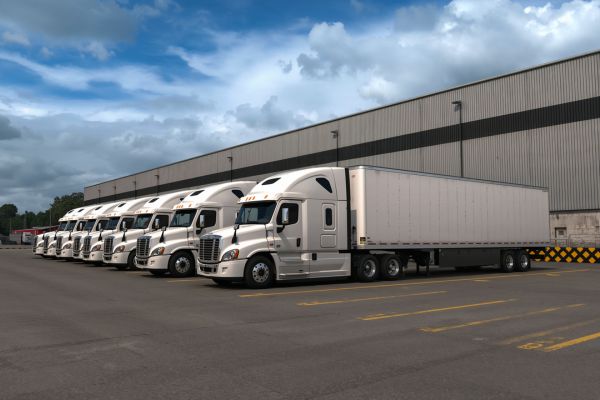
The idea of running a fleet often carries a certain weight. It suggests scale, complexity, and—more often than not—cost. For small and medium-sized enterprises, that perception can feel discouraging. Yet the reality is changing. Affordable fleet management solutions are no longer reserved for large corporations with deep pockets. They’ve quietly become accessible, adaptable, and surprisingly intuitive.
For many SMEs, managing vehicles used to rely on spreadsheets, phone calls, and a fair bit of guesswork. Now, even modest operations can adopt tools and practices that bring clarity and control without stretching budgets. The shift isn’t about luxury systems; it’s about smarter, simpler ways to keep things moving.
Rethinking What Fleet Management Really Means
Fleet management isn’t just about tracking vehicles on a map. It’s a broader, more human process. It includes maintenance schedules, driver behavior, fuel usage, route planning, and even the small details—like remembering when a tire was last replaced.
Affordable fleet management solutions work best when they focus on these everyday realities. Instead of overwhelming users with endless features, they streamline the essentials. A small delivery company, for example, doesn’t need the same depth of analytics as a multinational logistics firm. What it needs is reliability, visibility, and ease of use.
That’s where cost-effective solutions tend to shine. They strip away the unnecessary and prioritize what actually matters in day-to-day operations.
The Quiet Rise of Digital Tools
Technology has a way of becoming invisible once it integrates smoothly into routine. Many SMEs adopting affordable fleet management solutions find that the biggest benefit isn’t flashy dashboards—it’s the subtle reduction in friction.
Mobile apps now allow drivers to log trips, report issues, and receive updates without complicated systems. Cloud-based platforms eliminate the need for expensive hardware installations. Even GPS tracking, once considered a premium feature, is now widely available at reasonable costs.
These tools don’t demand technical expertise. In fact, the best ones feel almost ordinary. That’s their strength. They fit into existing workflows instead of forcing businesses to reshape everything around them.
Cost Efficiency Without Cutting Corners
Affordability often raises concerns about compromise. There’s a lingering assumption that lower cost means lower quality. In the world of fleet management, that’s not necessarily true.
Many modern solutions operate on subscription models, allowing SMEs to scale usage based on their needs. This flexibility prevents overinvestment. Instead of paying for features that sit unused, businesses can focus on what delivers real value.
Fuel monitoring tools, for instance, can highlight patterns that lead to savings over time. Maintenance alerts reduce the risk of expensive breakdowns. Route optimization minimizes unnecessary mileage. Individually, these improvements may seem small, but together they create a noticeable difference.
The goal isn’t to cut corners—it’s to remove inefficiencies.
The Human Element in Fleet Management
It’s easy to focus on vehicles and forget the people behind them. Drivers play a central role in how smoothly a fleet operates. Affordable fleet management solutions increasingly reflect this understanding.
Some systems provide gentle feedback on driving habits, encouraging safer and more efficient behavior. Others simplify communication, ensuring drivers aren’t left guessing about schedules or changes. The result isn’t just better performance—it’s a more connected, less stressful working environment.
There’s something quietly reassuring about that. When systems support people instead of monitoring them aggressively, adoption tends to feel more natural.
Maintenance Made Predictable
Unexpected breakdowns can disrupt operations in ways that ripple outward. A missed delivery, a delayed service call, an unhappy customer—these moments often start with something as simple as overlooked maintenance.
Affordable fleet management solutions bring a sense of predictability to this area. Automated reminders, service logs, and basic diagnostics help businesses stay ahead of issues. Instead of reacting to problems, they begin to anticipate them.
This shift doesn’t require expensive equipment. Even straightforward digital records can make a difference. Knowing when a vehicle needs attention—and acting on it—reduces downtime and extends the life of assets.
Data Without Overwhelm
Data can be powerful, but only if it’s usable. SMEs don’t always have the time or resources to interpret complex analytics. Affordable fleet management solutions tend to recognize this.
Rather than presenting endless charts, they highlight key insights. Fuel consumption trends, mileage summaries, and simple performance indicators offer a clear picture without unnecessary detail. It’s less about deep analysis and more about practical understanding.
This approach makes data feel approachable. Instead of becoming another task to manage, it becomes a helpful guide—something that informs decisions without demanding constant attention.
Flexibility for Growing Businesses
One of the challenges SMEs face is change. Growth rarely follows a straight line. A fleet might expand quickly, then stabilize, then shift again depending on demand.
Affordable fleet management solutions often accommodate this uncertainty. Their modular nature allows businesses to add or remove features as needed. There’s no pressure to commit to a rigid structure from the beginning.
This flexibility matters more than it might seem. It means a business can start small, experiment, and gradually refine its approach. Over time, the system evolves alongside the fleet, rather than becoming outdated or restrictive.
The Role of Simplicity
There’s a certain elegance in simplicity. Not everything needs to be optimized to perfection. Sometimes, the most effective solution is the one that people actually use.
Affordable fleet management solutions succeed when they keep things straightforward. Clear interfaces, intuitive navigation, and minimal setup reduce barriers to adoption. Businesses don’t have to pause operations to learn a complicated system.
Instead, they ease into it. A few features at a time, gradually building confidence. That organic integration often leads to better long-term results than any highly sophisticated system that sits unused.
Balancing Technology and Practical Experience
No system can replace experience. Drivers know their routes. Managers understand their operations. Affordable fleet management solutions work best when they complement this knowledge rather than override it.
Technology provides structure and visibility. Experience fills in the gaps. Together, they create a balanced approach—one that feels grounded rather than overly automated.
It’s a subtle dynamic, but an important one. The goal isn’t to hand control over to software. It’s to enhance decision-making with just enough support to make things easier.
Looking Ahead Without Overcomplication
The future of fleet management often gets described in terms of advanced automation, artificial intelligence, and fully connected systems. While these developments are real, they don’t need to define the present for SMEs.
Affordable fleet management solutions focus on what’s useful now. They provide a foundation that can adapt as technology evolves, without forcing businesses to invest heavily upfront. This measured approach keeps things practical.
There’s no rush to adopt every new feature. What matters is building a system that works today and can grow tomorrow.
A More Accessible Approach to Fleet Management
For many SMEs, the biggest shift isn’t technological—it’s psychological. Fleet management no longer feels out of reach. It’s become something manageable, even approachable.
Affordable fleet management solutions play a quiet but significant role in this change. They remove barriers, simplify processes, and offer a sense of control that doesn’t come with overwhelming complexity.
Conclusion
Affordable fleet management solutions have reshaped what it means to run a fleet as a small or medium-sized enterprise. They’ve turned what once felt like a costly, complicated responsibility into something more balanced and achievable.
By focusing on simplicity, flexibility, and practical value, these solutions allow businesses to operate with greater confidence. They don’t demand perfection or massive investment. Instead, they offer steady improvements—small, meaningful changes that add up over time.
In the end, managing a fleet isn’t about having the most advanced tools. It’s about having the right ones. And increasingly, those tools are within reach.
