

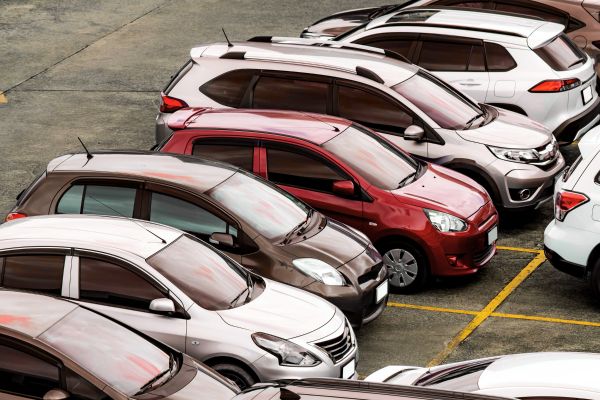
The Heartbeat of Car Culture
There’s something quietly powerful about the way cars bring people together. Not just as machines, but as stories on wheels—projects, passions, sometimes even lifelong obsessions. This is where car clubs find their rhythm. They exist in that space between hobby and community, where shared interest turns into genuine connection.
Car clubs are more than organized gatherings of people who like vehicles. They are living, evolving communities shaped by personalities, tastes, and experiences. Walk into any meet, and you’ll notice it immediately—the hum of conversation, the admiration exchanged between strangers, the unspoken understanding that everyone here shares something deeply personal.
What Defines Car Clubs
At their core, car clubs are groups formed around a shared appreciation for automobiles. But that definition barely scratches the surface. Some clubs revolve around specific brands, like classic muscle cars or Japanese imports. Others are built around styles—stance, off-road builds, vintage restorations, or track-focused machines.
What really defines car clubs is not just the type of cars involved, but the culture that develops around them. Each club has its own identity, shaped by the people in it. Some are laid-back and social, focused on weekend drives and casual meets. Others are more structured, with events, memberships, and even rules about participation.
It’s this diversity that makes the world of car clubs so fascinating. No two are exactly alike, yet they all share the same foundation: a love for cars and the stories behind them.
The Origins of Automotive Communities
Car clubs didn’t just appear overnight. Their roots stretch back to the early days of motoring, when owning a car was rare and often required a certain level of mechanical understanding. Early enthusiasts would gather to share knowledge, solve problems, and celebrate their machines.
As cars became more accessible, these informal gatherings evolved into organized groups. In the mid-20th century, especially, car clubs began to flourish. Classic American hot rod culture, European touring clubs, and motorsport communities all contributed to the growth of organized automotive groups.
Over time, car clubs became less about necessity and more about identity. They became places where people could express themselves, whether through customization, restoration, or simply appreciation.
The Social Fabric of Car Clubs
Spend enough time around car clubs, and you begin to notice something interesting. The cars are often just the starting point. What keeps people coming back is the sense of belonging.
There’s a kind of language spoken in these spaces that doesn’t rely on words. A nod of approval when someone notices a detail in your build. A spontaneous conversation sparked by a shared interest. These small interactions build something bigger over time.
Car clubs often become social anchors. Members celebrate milestones together, support each other through challenges, and form friendships that extend beyond the automotive world. For many, it’s not just about the cars anymore—it’s about the people connected to them.
Different Types of Car Clubs
The variety within car clubs reflects the vastness of automotive culture itself. Some clubs are tightly focused, centered on a specific make or model. Think of groups dedicated entirely to classic Mustangs or vintage Volkswagens.
Others are broader, embracing a style or philosophy rather than a specific brand. You’ll find clubs devoted to tuning culture, where performance and aesthetics go hand in hand. There are also clubs for off-road enthusiasts, where the emphasis is on adventure and capability.
Then there are general enthusiast clubs, where diversity is part of the appeal. These gatherings might include everything from daily drivers to heavily modified show cars, all coexisting in the same space.
Each type offers a different experience, but all share the same underlying purpose: connection through a shared passion.
The Role of Events and Meets
If car clubs are the foundation, events are the heartbeat. Meets, cruises, track days, and car shows bring the community to life in a way that online interaction never quite can.
There’s something about seeing cars in motion, hearing engines echo through open spaces, and experiencing the atmosphere firsthand. Events create moments—those small, unforgettable snapshots that stay with you long after the day ends.
Some meets are spontaneous, organized through a quick message or social post. Others are carefully planned, with schedules, routes, and large turnouts. Regardless of scale, they all serve the same purpose: bringing people together.
These gatherings also allow members to share their progress. A newly installed part, a fresh paint job, or even just a well-maintained daily driver becomes a point of pride and conversation.
The Digital Shift in Car Clubs
In recent years, the way car clubs operate has changed significantly. Social media and online forums have transformed how enthusiasts connect, organize, and share their passion.
Where once communication might have relied on phone calls or in-person meetings, now entire communities exist online. Platforms allow clubs to grow beyond geographical limitations, connecting members from different cities or even countries.
This digital shift has made car clubs more accessible than ever. It’s easier to find like-minded enthusiasts, join discussions, and stay informed about upcoming events. At the same time, it has also changed the dynamics of interaction, blending online engagement with real-world experiences.
Still, no matter how advanced technology becomes, the essence of car clubs remains rooted in physical connection—the shared experience of being present.
Challenges Within Car Club Culture
Like any community, car clubs are not without their challenges. Differences in opinion, style preferences, and even expectations can sometimes create tension.
There’s also the question of inclusivity. Some clubs can feel intimidating to newcomers, especially those who may not have highly modified or rare vehicles. Finding the right environment—one that values enthusiasm over status—can make all the difference.
Additionally, the balance between individuality and group identity can be tricky. While clubs often encourage a shared aesthetic or philosophy, members still want to express their personal style. Navigating that balance requires understanding and flexibility.
Despite these challenges, many clubs continue to evolve, adapting to create more welcoming and diverse communities.
Why Car Clubs Continue to Matter
In a world that often feels increasingly digital and disconnected, car clubs offer something refreshingly tangible. They bring people together in real spaces, centered around something they genuinely care about.
There’s a certain authenticity in that. It’s not about curated profiles or filtered images—it’s about real conversations, real experiences, and real connections.
Car clubs also preserve a sense of tradition. They carry forward the history of automotive culture while allowing it to evolve with each new generation. Whether it’s classic restorations or modern performance builds, the passion remains consistent.
For many, joining a car club becomes a turning point. It transforms a solitary hobby into a shared journey, filled with learning, collaboration, and memorable moments.
The Personal Side of Car Clubs
Ask anyone deeply involved in car clubs, and you’ll likely hear stories that go far beyond cars. Late-night drives, unexpected friendships, road trips that didn’t go as planned but became unforgettable anyway.
These are the moments that define the experience. The cars may bring people together, but it’s the shared experiences that keep them connected.
There’s also a sense of growth that comes with being part of a club. Members learn from each other, exchange ideas, and push their own boundaries. Whether it’s improving a build or simply becoming more confident in their knowledge, the impact is real.
Over time, what starts as a casual interest often becomes something more meaningful—a part of identity.
The Future of Car Clubs
As automotive technology continues to evolve, so too will car clubs. Electric vehicles, autonomous features, and changing regulations are reshaping the landscape of car culture.
Yet, the essence of car clubs is unlikely to fade. If anything, it may adapt in new and interesting ways. Enthusiasts will continue to find ways to connect, whether through new technologies or traditional gatherings.
The vehicles may change, but the desire to share, learn, and belong remains constant. That’s what makes car clubs resilient—they are built on human connection, not just machinery.
A Reflection on Connection and Passion
Car clubs are, at their heart, about people. They are spaces where passion is shared openly, where differences are often set aside in favor of common ground.
They remind us that hobbies can be more than personal pursuits. They can be bridges—linking individuals across backgrounds, experiences, and perspectives.
In the end, car clubs are not defined by the cars parked in a row, but by the conversations that happen around them. They are about the stories told, the friendships formed, and the quiet understanding that, in this space, everyone belongs.
And maybe that’s why they endure. Not because of horsepower figures or polished finishes, but because they offer something far more lasting: connection.
