

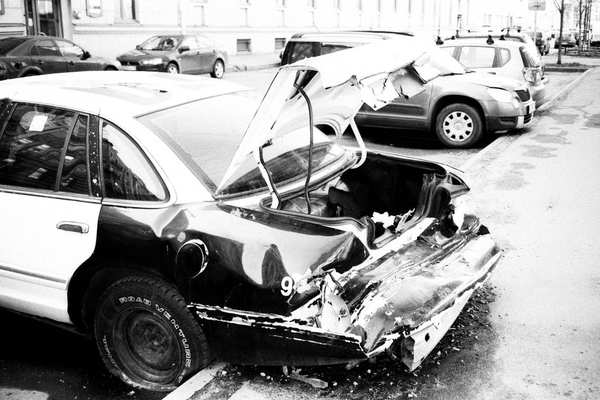
A car crash can be over in seconds, but its insurance consequences may take months to sort out. You might be wondering who pays for repairs, whether you should open a claim, and how much your next premium could rise. Car insurance after an accident depends on your coverage, the evidence, the fault decision, and the rules where you live. Understanding those moving parts helps you make sensible decisions without rushing into an expensive mistake.
What to Do Before the Insurance Process Begins
Start with safety. Check for injuries, call emergency services when needed, and move vehicles out of traffic only if it is safe and lawful to do so. Follow local police-reporting requirements, particularly when someone is hurt or significant damage occurs.
Once everyone is safe, photograph vehicle damage, license plates, road markings, traffic signals, and the wider scene. Exchange contact and insurance details with the other driver, and collect witness information. Note the location, time, weather, and what happened while your memory is fresh. Describe what you observed without guessing about fault.
Notify your insurer promptly, even if you are unsure whether you will request payment. Your policy may require timely notice, and damage or injuries can emerge after the initial inspection. Reporting an incident and receiving a claims payment are not necessarily the same thing.
How an Accident Insurance Claim Usually Works
After you contact the insurer, it may assign a claim number and an adjuster. They may inspect the vehicle or request additional evidence before deciding what damage is covered and how much to pay.
Ask which coverage applies, whether you owe a deductible, how rental transportation is handled, and whether you can choose your repair shop. If repairs uncover hidden damage, the shop may need to submit a supplemental estimate for approval.
Should You Claim Through Your Insurer or the Other Driver’s?
If another driver caused the collision, you may be able to pursue a third-party claim through their liability insurer. Alternatively, your own collision coverage may pay for covered vehicle damage sooner, subject to your deductible. Your insurer may then seek reimbursement from the responsible party through a process called subrogation; any deductible recovery depends on the outcome.
Liability coverage generally pays for covered losses you cause to other people, not damage to your own car. Collision coverage addresses covered crash damage to your car regardless of fault. Injury-related benefits, uninsured motorist protection, and rental reimbursement depend on the policy and state. Check the wording rather than assuming every expense is included.
How Insurers Decide Who Was at Fault
An at-fault accident insurance decision is not simply whichever driver apologizes first. Insurers review available evidence, road rules, statements, and sometimes reports or diagrams. A police report can matter, but the insurance company’s determination may differ from an officer’s observations or citation decision.
Responsibility can also be shared. Some states apply comparative-fault rules that reduce recoveries according to a driver’s share of responsibility, while others use different standards. In certain no-fault insurance states, injury benefits are paid through a driver’s own coverage regardless of who caused the crash; that does not mean fault is irrelevant to vehicle repairs.
If the decision seems wrong, ask for a written explanation and supply missing photographs, witness details, or other documentation. You can also contact your state’s insurance department for guidance on claims disputes.
Will Your Car Insurance Rates Go Up?
Post-accident rates are not determined by a universal percentage. Insurers consider factors such as fault, claim severity, prior incidents, driving violations, discounts, state regulations, and their own rating rules. An at-fault crash is generally more likely to affect your premium than an accident you did not cause, but neither outcome is guaranteed.
Some drivers receive accident forgiveness under their policy, though eligibility and conditions vary. Others lose a claims-free discount even without a separately listed surcharge. A rate increase may first appear at renewal, rather than immediately after the accident, and its duration varies by insurer and jurisdiction. Premiums can also change because of repair costs or broader pricing trends unrelated to your individual claim.
For example, suppose your car has $1,200 in covered collision damage and a $1,000 deductible. The insurer’s payment for those repairs might be only $200. That does not automatically mean skipping a claim is wise: there could be injuries, another vehicle involved, or hidden damage. But the example shows why understanding the deductible matters before making a decision.
Preparing for Insurance Renewal After a Crash
As your policy renewal approaches, request a clear explanation of any changed premium, surcharge, or lost discount. Review the declarations page and check that your annual mileage, vehicle information, drivers, and selected coverage remain accurate. If the insurer offers accident forgiveness, ask whether it actually applies to this incident.
Compare quotes from several insurers using the same liability limits, deductibles, and optional coverages. A cheaper quote is not a bargain if it removes protection you still need. Ask about legitimate discounts for bundling policies, safe-driving programs, or approved driver training, where available. You can also review your deductible, but choose an amount you could comfortably pay after another accident.
Do not cancel existing insurance until replacement coverage is confirmed to begin. A lapse can create legal problems and may complicate future pricing. For more context when reviewing options, look at how car insurance deductibles work, the difference between liability and collision coverage, and ways to compare car insurance quotes fairly.
What If the Claim or Settlement Seems Unfair?
Request the estimate and an explanation of any excluded damage, depreciation, deductible, or total-loss valuation. Compare the insurer’s figures with documented repair costs or relevant vehicle listings. Provide missing evidence and ask about the company’s review or appraisal procedures. If discussions stall, your state insurance department can explain complaint options, although it generally cannot rewrite policy coverage.
Make the Next Decision With the Full Picture
The useful question is not only whether an accident will increase your premium. It is whether the claim is being handled correctly, the right coverage is paying, and your renewal still offers reasonable protection. Preserve evidence, ask specific questions, and compare equivalent policies before changing insurers. Those steps give you more control even when the crash itself was outside your control.
Frequently Asked Questions
How soon should I report an accident to my insurance company?
Notify the company as soon as reasonably possible. Policy notice requirements and state rules differ, so check your documents rather than assuming you have a fixed number of days.
Does a not-at-fault accident affect insurance rates?
It can, depending on your state, insurer, and discounts, although some states restrict surcharges for accidents you did not cause. Ask your insurer to explain any change.
Can I switch car insurance companies with an open claim?
Generally, yes. The insurer covering the accident date ordinarily continues handling that claim under the applicable policy. Keep coverage continuous and answer new insurers’ application questions accurately.
How long does an at-fault accident affect my premium?
Many insurers consider at-fault accidents for several years, but there is no nationwide expiration date for surcharges. Your state’s rules and the insurer’s rating plan determine the actual period.
