

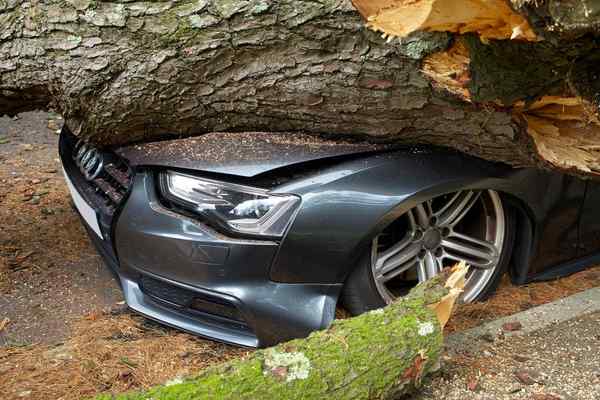
Comprehensive car insurance protects your vehicle from many losses that have nothing to do with a typical crash. A tree branch can fall during a storm, hail can dent the roof, a thief can steal the vehicle, or someone can break a window during an attempted theft. Those events can create repair bills just as quickly as a collision, yet they are handled under a different part of an auto policy.
That distinction matters because drivers sometimes assume “full coverage” means every kind of damage is automatically included. In reality, comprehensive coverage is a specific optional protection for many forms of non-collision damage. Understanding what it covers, what it excludes, and how the deductible works makes it easier to decide whether the protection is worth keeping.
What comprehensive car insurance actually covers
Comprehensive coverage generally pays for direct physical damage to your covered vehicle caused by events other than a collision with another car or object. Common covered losses include theft, vandalism, fire, hail, windstorms, floods, falling objects, and contact with animals such as deer. Windshield and other glass damage may also fall under comprehensive coverage, although glass rules and deductibles can vary by insurer and state.
Theft and attempted theft
Comprehensive is the part of an auto policy that usually provides theft insurance for cars. If the entire vehicle is stolen and not recovered, the insurer may declare it a total loss and pay according to the policy’s valuation terms, typically based on the vehicle’s actual cash value, minus the applicable deductible. Damage to locks, windows, or the ignition during an attempted theft may also be covered.
Personal belongings inside the vehicle are different. A laptop, phone, luggage, or other property stolen from the car is generally not covered by comprehensive auto insurance. Those losses may fall under homeowners or renters insurance instead, subject to that policy’s terms.
Weather, falling objects, and natural events
Severe weather is a major reason drivers keep comprehensive coverage. Hail can damage body panels, floodwater can ruin electronics and upholstery, and wind can send debris into parked vehicles. Fire, falling trees, and similar events may also be covered when they cause sudden physical damage.
For example, suppose a parked car is hit by a large branch during a storm and the repair estimate is $3,500. If the policy has a $500 comprehensive deductible and the loss is covered, the insurer would generally pay up to $3,000 for the repair, subject to the policy terms. The deductible is the portion you agree to absorb before insurance pays the rest.
Animal strikes can be a surprise
Hitting a deer is commonly handled under comprehensive coverage rather than collision coverage, even though the vehicle physically makes contact with something. If you swerve to avoid the deer and hit a guardrail or tree instead, that damage would generally be treated as a collision claim.
What comprehensive coverage does not cover
Comprehensive is broad, but it is not a maintenance plan and it does not replace every other auto coverage. Damage from a crash with another vehicle or most fixed objects is normally handled by collision coverage. Mechanical breakdown, worn brakes, rust, and ordinary deterioration are not usually insured losses.
It also does not pay for injuries to you or other people, nor does it replace liability coverage for damage you cause to someone else. Those risks belong to other sections of an auto policy. Useful related topics include car insurance coverage types and collision vs comprehensive insurance.
How the comprehensive deductible works
A comprehensive deductible is the amount you pay toward a covered claim before the insurer contributes. Deductible options vary by company, and selecting a higher deductible can often lower the premium. The trade-off is that you accept more out-of-pocket cost when a claim occurs.
If a covered repair costs $700 and your deductible is $500, the insurer may pay only $200. If the damage costs less than the deductible, there may be no insurance payment. Before filing a small claim, compare the repair estimate with your deductible and check how your insurer treats claim history.
Glass claims can work differently. Some insurers offer separate glass coverage, and some states or policy forms may reduce or waive the deductible for certain windshield repairs. Check the declarations page and endorsements rather than assuming every glass loss is handled the same way.
Is comprehensive insurance required?
Comprehensive coverage is generally not required by state law in the United States. Liability insurance is the coverage most commonly tied to legal driving requirements. However, a lender or leasing company may require comprehensive and collision coverage while it has a financial interest in the vehicle.
If you own the car outright, the decision is financial. Consider the vehicle’s current market value, the cost of the coverage, your deductible, and how easily you could replace or repair the car after a theft, fire, flood, or severe storm. For an older low-value vehicle, dropping comprehensive may eventually make sense. For a newer vehicle or one exposed to frequent hail, theft, flooding, or falling-tree risk, it may remain valuable.
A useful annual check is to compare your premium and deductible with the car’s present value. That is often more helpful than using the vehicle’s age alone. Related reading could include how car insurance deductibles work and when to drop optional auto coverage.
FAQ about comprehensive car insurance
Does comprehensive insurance cover a stolen car?
Yes. Vehicle theft is one of the core losses typically covered by comprehensive insurance. A total theft loss is generally paid according to the vehicle’s covered value under the policy, less the deductible.
Does comprehensive cover hail damage?
Yes. Hail damage is a standard example of non-collision damage that comprehensive coverage is designed to address, subject to the policy deductible and terms.
Will comprehensive insurance cover a cracked windshield?
Often, yes. Windshield damage may be covered under comprehensive, but deductibles vary. Some policies or state rules provide special glass treatment, including lower or no deductibles in certain situations.
Is comprehensive the same as full coverage?
No. “Full coverage” is an informal term, not a single policy type. It usually refers to a package that includes liability, collision, and comprehensive coverage, often with other protections depending on the policy.
Choosing coverage based on the risks you actually face
Comprehensive car insurance is most useful when the risk comes from outside the ordinary crash scenario. Theft, hail, vandalism, flooding, fire, falling objects, broken glass, and animal contact can all cause expensive damage even when you have done nothing wrong behind the wheel.
Review your car’s value, where it is parked, local weather and theft exposure, the premium, and the comprehensive deductible. That gives you a clearer picture of what you are paying to protect and how much financial risk you would otherwise carry yourself.
