

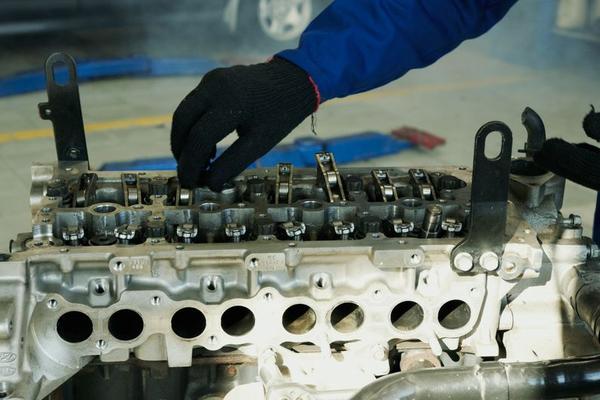
A sudden bang beneath the hood or a sharp pop from the tailpipe can make any driver worry about engine damage. Yet the sound alone rarely identifies the faulty part. The best clues are where the noise comes from and what the engine was doing when it happened. Engine backfiring causes include ignition faults, incorrect fuel mixtures, exhaust leaks, and valve-timing problems.
Backfiring occurs when combustion happens in the wrong place or at the wrong point in the engine cycle. An intake cough points toward different possibilities than popping from exhaust pipes. Understanding that distinction helps narrow the diagnosis without replacing parts blindly.
Start With the Location of the Pop
An intake backfire sounds like a cough or sharp report near the air filter, throttle body, or intake manifold. Combustion pressure can travel backward when an intake valve is open. This deserves attention because intake components are not designed to contain combustion pressure.
An exhaust backfire, also called an afterfire, happens when combustible gases ignite in the exhaust system. It may sound like crackling or a loud bang farther behind the engine. A regular ticking noise from an exhaust leak is not necessarily a backfire, even though both may be described as an engine popping noise.
Do not lean over an open intake or stand behind the tailpipe to investigate. From a safe position, notice whether the noise coincides with acceleration, idling, or slowing down.
Why an Engine Backfires Through the Intake
Lean Mixture and Air Leaks
Too little fuel relative to air can cause unstable combustion and, in some circumstances, a flame may persist as the intake valve opens. Vacuum leaks, air entering after the airflow sensor, or insufficient fuel delivery are possible contributors. Hesitation when accelerating makes these worth checking, but hesitation alone cannot prove a lean mixture.
Ignition and Valve Faults
Incorrect spark timing can allow ignition when an intake valve is not fully closed. Crossed spark plug wires on older distributor-equipped engines may create a similar symptom following maintenance. Sticking, leaking, or burned intake valves can also allow combustion pressure to escape backward. Repeated intake popping with rough running or low compression calls for professional mechanical testing.
Why the Exhaust Pops or Bangs
Misfires and Unburned Fuel
When a cylinder fails to burn its fuel charge properly, unburned material can reach the hot exhaust and ignite. Worn spark plugs, failing coils, damaged ignition wires, or injector faults are among the car backfire causes worth investigating. An overly rich mixture can supply excess fuel, but severely lean running can also cause misfires. Similar noises can therefore come from very different fueling faults.
Air Entering Through Exhaust Leaks
During deceleration, air entering through an exhaust leak may provide oxygen for ignition of remaining combustible gases. Leaking gaskets or joints can contribute to crackling, particularly on older or modified systems. Some performance vehicles are intentionally calibrated for pops on throttle lift; that differs from a previously quiet standard vehicle suddenly producing repeated bangs.
An exhaust leak may simply tick or hiss. A true exhaust backfire requires combustion, so the two symptoms should not be treated as identical.
Ignition Timing Versus Valve Timing
Ignition timing governs when the spark fires relative to piston movement. Older engines with adjustable distributors can backfire if timing is advanced or retarded incorrectly. On modern cars, engine computers manage spark timing using sensor signals, so manually turning a distributor is usually not an option.
Valve timing controls when intake and exhaust valves open and close. A slipped belt, stretched chain, incorrect installation, or variable-valve-timing malfunction can disrupt that sequence. Backfiring, poor power, and hard starting after timing-system repairs justify checking mechanical timing promptly. On some engines, serious timing errors can cause internal damage.
Because these faults overlap in their symptoms, technicians may need scan information, timing checks, and compression testing. The sound cannot reveal which system is responsible.
Match the Sound to the Driving Condition
During Acceleration
A pop combined with hesitation as the accelerator is pressed suggests investigating fuel delivery, air leaks, and ignition parts that fail under load. Imagine a car idling smoothly but coughing through the intake whenever it pulls away from a junction. A lean condition might fit that pattern, but it remains a clue rather than a diagnosis.
During Deceleration
Crackling mostly after lifting off the accelerator shifts attention toward exhaust leaks, modifications, and fueling strategy. Record whether it occurs only when cold or continues after warm-up. Avoid repeatedly revving the engine to reproduce a violent bang.
At Idle or After Repairs
At idle, consider misfires, vacuum leaks, and valve sealing problems. If popping began immediately after spark plug, intake, or timing work, report that history. A disturbed vacuum hose or incorrectly connected wire may be more revealing than the loudness of the noise.
A Practical Diagnostic Checklist
Begin by recording where the sound originates, when it occurs, and whether the car hesitates or loses power. Next, check for a malfunction indicator light and arrange a diagnostic code scan. A cylinder misfire code can guide testing, but it does not establish that the spark plug is faulty.
With the engine switched off and fully cooled, inspect for disconnected intake hoses or obvious wiring damage if these are safely visible. Do not touch hot exhaust parts or reach near moving belts and fans. A mechanic can then check ignition components, fuel trims and pressure, air leaks, valve timing, and compression based on the evidence.
If the check-engine light flashes, the vehicle loses substantial power, or strong fuel fumes appear, stop driving safely and seek assistance. Continued misfiring can damage the catalytic converter. Related guidance on engine misfire symptoms, exhaust leak noises, and rough idle causes may help you describe the problem clearly when booking a repair.
Frequently Asked Questions
Can bad spark plugs cause backfiring?
Yes. Weak or absent sparks can leave fuel unburned, allowing it to ignite later in the exhaust. However, coils, wires, fueling problems, and mechanical issues can produce the same symptom.
Does exhaust popping always mean the mixture is rich?
No. Rich fueling is one possible cause, but lean misfires, ignition faults, exhaust leaks, and deliberate performance calibration may also lead to popping. Driving conditions and diagnostic results offer better clues.
Can a timing belt or chain cause an intake backfire?
Yes. Incorrect valve timing may leave the intake valve open during combustion. Backfiring with difficult starting or weak power after timing work warrants an inspection before further driving.
Is it safe to keep driving if the car backfires?
Frequent or violent backfiring should be investigated. Stop driving if the engine runs very poorly, a warning light flashes, or fuel odors develop. Even milder recurring symptoms merit timely diagnosis.
Conclusion
Location and operating conditions provide the strongest starting clues: an intake cough suggests a different problem from an exhaust bang on deceleration. Identify the pattern, then confirm the cause through ignition, fueling, leak, and timing checks rather than relying on the noise alone.
