

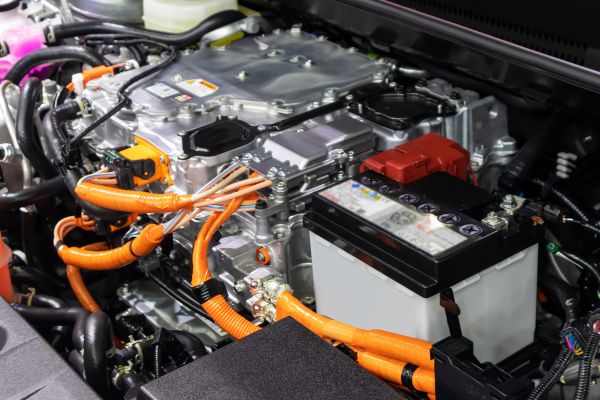
Most drivers do not think much about the battery under the hood until the day the car refuses to start. It is one of those quiet components that works in the background—powering ignition systems, electronics, lights, sensors, and more—until suddenly it doesn’t. Then it gets replaced, often quickly, and the old battery disappears into a shop back room.
What happens next matters more than many people realize.
Automotive batteries contain valuable materials and potentially hazardous substances. Throwing them into general waste is wasteful at best and dangerous at worst. That is why recycling automotive batteries plays an important role in environmental protection, resource recovery, and responsible vehicle ownership.
As transportation evolves from traditional combustion vehicles to hybrids and electric models, battery recycling is becoming even more significant.
Why Automotive Battery Recycling Matters
A used car battery may look like scrap, but it is really a container of reusable materials. Lead, plastic casings, electrolyte components, nickel, cobalt, lithium, copper, and other metals may all be recoverable depending on battery type.
Mining raw materials is energy-intensive and environmentally disruptive. Recovering materials from used batteries can reduce pressure on extraction and support more circular manufacturing systems.
There is also the pollution issue. Batteries handled improperly can leak corrosive substances or release contaminants into soil and water.
That combination of value and risk explains why recycling automotive batteries is more necessity than option.
The Main Types of Automotive Batteries
Not all vehicle batteries are the same, and recycling methods differ accordingly.
Traditional gasoline and diesel vehicles commonly use lead-acid starter batteries. These are among the oldest and most successfully recycled battery types in the world.
Hybrid vehicles often use nickel-metal hydride or lithium-ion battery systems depending on generation and manufacturer.
Modern electric vehicles primarily rely on large lithium-ion battery packs, though chemistries vary significantly.
Understanding battery type helps explain why recycling systems are becoming more complex.
Lead-Acid Batteries Are Highly Recyclable
Lead-acid batteries have been recycled at high rates in many regions for years. Their structure is relatively well understood, and established collection systems often exist through repair shops, parts retailers, and battery sellers.
A typical recycling process may separate the plastic casing, recover lead components for reuse, and neutralize or process the electrolyte safely.
This makes old starter batteries one of the stronger examples of industrial circularity.
Many drivers participate in battery recycling without realizing it when they return an old battery during replacement.
Lithium-Ion Batteries Change the Conversation
As electric vehicles grow in number, lithium-ion battery recycling becomes increasingly important.
These packs are larger, more valuable, and more technically complex than traditional starter batteries. They may contain lithium, nickel, cobalt, manganese, copper, aluminum, graphite, and other materials depending on chemistry.
Recovering these materials can help future battery production while reducing dependence on virgin mining.
However, processing them safely requires specialized handling, transportation protocols, disassembly expertise, and advanced facilities.
This is one reason recycling automotive batteries is becoming a major industrial topic rather than a simple waste-management issue.
Why Old Batteries Should Never Go in Household Trash
Some people still assume a dead car battery can be discarded like ordinary junk. That is a mistake.
Batteries can leak corrosive chemicals, pose fire risks, or contaminate waste streams. Damaged lithium-ion batteries especially can create thermal hazards if mishandled.
Landfills are not designed to recover valuable metals efficiently. Throwing batteries away wastes resources and may create environmental liabilities.
Even small automotive-related batteries should be handled through proper channels whenever possible.
Where Consumers Usually Recycle Batteries
Many common battery return pathways are straightforward.
Auto repair shops often accept used starter batteries during replacement. Parts stores frequently collect old units. Municipal recycling centers may offer hazardous waste programs. EV battery systems are often managed through dealerships, manufacturers, or specialized service networks.
The easiest route is often asking the place installing the replacement battery what happens to the old one.
In many cases, return systems already exist because the materials hold value.
Transportation and Safety Considerations
Used batteries are heavy, awkward, and sometimes damaged. Safe handling matters.
Lead-acid batteries should remain upright when possible to reduce leak risk. Cracked cases require caution. Lithium-ion batteries with swelling, damage, smoke history, or impact exposure may need professional guidance immediately.
Terminals should be protected from accidental short-circuiting during transport when relevant.
These details may seem small, but safety is a major part of recycling automotive batteries.
What Happens During the Recycling Process
Processes vary by battery type and facility, but the broad goal is similar: recover useful materials while managing hazards responsibly.
Lead-acid systems may be broken down mechanically, with lead smelted and refined, plastics reprocessed, and electrolyte neutralized or reused.
Lithium-ion systems may undergo discharge procedures, dismantling, shredding, sorting, and hydrometallurgical or pyrometallurgical recovery methods depending on technology used.
Increasingly, direct recycling methods are also explored to preserve battery materials more efficiently.
The science is advancing rapidly.
Second-Life Uses Before Recycling
Some EV batteries no longer ideal for driving may still retain useful capacity for less demanding applications.
They may be repurposed for stationary energy storage, backup power systems, or grid support before final recycling.
This extends the useful life of battery materials and delays full material recovery until later.
It also highlights that “end of vehicle life” does not always mean “end of battery life.”
Environmental Benefits of Recycling Batteries
Responsible battery recycling can reduce raw material demand, cut landfill pressure, lower pollution risk, and decrease energy use compared with some primary extraction processes.
It can also strengthen domestic supply chains for critical materials.
No industrial process is impact-free, but circular recovery often compares favorably with repeated extraction and disposal.
As battery use expands globally, these benefits become more significant.
Challenges the Industry Still Faces
Despite progress, several challenges remain.
Battery chemistries are diverse, making standardized recycling harder. Collection systems vary by region. Transport rules can be complex. Facilities require investment. Some recovered materials fluctuate in market value.
Design also matters. Batteries built without end-of-life considerations may be harder to disassemble and process economically.
The future likely depends not only on better recycling plants, but smarter battery design from the start.
What Drivers Can Do
Consumers play a simple but meaningful role.
Replace batteries through reputable service channels. Return old units rather than storing them indefinitely or discarding them improperly. Learn whether local centers accept specialty batteries. Handle damaged batteries cautiously.
Awareness alone prevents many avoidable mistakes.
Conclusion
Recycling automotive batteries is one of the clearest examples of how responsible waste management and industrial resource recovery can work together. Whether dealing with familiar lead-acid starter batteries or advanced lithium-ion EV packs, used batteries contain both risk and value.
Handled properly, they become a source of reusable materials rather than pollution. Handled poorly, they become an avoidable problem.
As vehicles continue to evolve, battery recycling will become even more central to sustainable transportation. The battery may be hidden beneath the hood or floor, but what happens after its final charge matters to everyone.
