

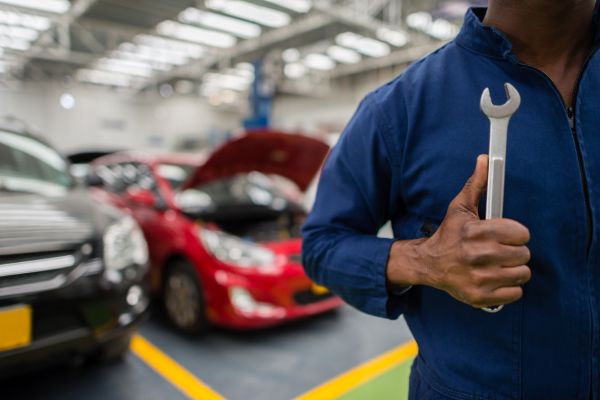
Auto repair usually enters the conversation when something has already gone wrong. A strange sound appears on the way to work. The steering wheel starts to shake at highway speed. A warning light glows on the dashboard and suddenly turns an ordinary drive into a guessing game. For many drivers, the repair shop feels like a place you visit only when the vehicle demands it.
But a well-cared-for car tells a different story. Most major repairs do not appear out of nowhere. They often begin as small signs, worn parts, old fluids, weak batteries, or neglected tires. That is where Auto Maintenance becomes more than a routine chore. It becomes a practical habit that protects your vehicle, your budget, and your peace of mind.
Why Auto Repair Begins Before Something Breaks
The best time to think about auto repair is before a breakdown happens. That may sound obvious, but it is easy to ignore a vehicle when it seems to be running fine. Modern cars are built to be durable, quiet, and surprisingly forgiving. They can hide small issues for weeks or months before those issues become expensive.
A slightly low fluid level may not feel urgent. A tire with uneven wear may not bother you at first. Brake pads that are getting thin may still stop the vehicle, just not as smoothly as they used to. Over time, these small changes add stress to other parts of the car. One neglected component can quietly affect another.
This is why regular maintenance matters. It gives drivers a chance to catch problems early, when they are usually easier and less costly to handle. It also keeps the car performing the way it was meant to perform, instead of slowly drifting into poor fuel economy, rough handling, or unreliable starts.
The Quiet Role of Oil, Fluids, and Filters
Oil changes are often treated as the most basic part of car care, but their importance is hard to overstate. Engine oil reduces friction, carries away heat, and helps protect internal parts from wear. When oil gets old or dirty, it loses some of that protective ability. The engine may still run, but it is working harder than it should.
Other fluids deserve attention too. Coolant helps control engine temperature. Brake fluid supports safe stopping. Transmission fluid allows smooth shifting. Power steering fluid, where applicable, helps with steering response. These fluids do not last forever, and leaks or contamination can create problems that become serious if ignored.
Filters also play a quiet but important role. A dirty engine air filter can affect performance and fuel efficiency. A clogged cabin air filter can reduce airflow inside the vehicle. These are not dramatic repairs, but they contribute to the overall health and comfort of the car.
Tires Are More Than Just Rubber on the Road
Tires are one of the most overlooked parts of vehicle safety. They are also the only point of contact between the car and the road. That makes their condition especially important.
Proper tire pressure helps with fuel economy, braking, handling, and even tire life. Underinflated tires can wear unevenly and build excess heat. Overinflated tires can reduce road grip and create a harsher ride. Seasonal temperature changes can also affect pressure, which is why checking tires regularly is a smart habit.
Tread depth matters just as much. Worn tires can struggle on wet roads, increasing stopping distance and reducing control. Uneven tread wear may point to alignment or suspension issues. A simple tire inspection can reveal a lot about how a vehicle is being driven and how well its systems are working together.
Brake Care Is Not Something to Delay
Few systems are as important as the brakes. Yet many drivers wait until they hear squealing, grinding, or feel vibration before paying attention. By then, the issue may have moved beyond simple brake pad replacement.
Brake pads, rotors, calipers, and fluid all work together. When one part wears down too far, it can affect the rest of the system. Grinding noises may mean metal is contacting metal. A soft brake pedal may suggest a fluid or hydraulic issue. Pulling to one side while braking could point to uneven wear or a caliper problem.
Good brake maintenance is not only about avoiding repair bills. It is about keeping the vehicle predictable in moments when quick stopping really matters.
Warning Lights Should Start a Conversation
Dashboard warning lights can be frustrating because they often appear without much explanation. Some are urgent. Others are less immediate. But none should be ignored for long.
A check engine light could signal something as simple as a loose gas cap or something more complex involving sensors, emissions systems, or engine performance. Battery lights, oil pressure warnings, coolant temperature alerts, and brake system warnings all deserve prompt attention.
The key is not to panic, but also not to guess. Modern diagnostic tools can help identify the source of the warning. From there, a technician can determine whether the problem needs immediate repair or simply careful monitoring.
How Driving Habits Affect Repair Needs
No two cars age in exactly the same way. A vehicle used mostly for short city trips may experience different wear than one driven long distances on highways. Stop-and-go traffic can be hard on brakes. Short trips may prevent the engine from fully warming up. Rough roads can affect suspension and alignment.
Weather matters too. Heat, cold, rain, road salt, and humidity can all influence how parts wear over time. Even parking habits can make a difference, especially when a vehicle sits unused for long periods.
Understanding your driving pattern helps make maintenance more realistic. A general schedule is useful, but the best schedule is the one that reflects how the car is actually used.
The Cost of Waiting Too Long
Delaying repairs can feel like saving money in the moment. In reality, it often does the opposite. A worn belt can break. A weak battery can leave you stranded. Low coolant can lead to overheating. Bad alignment can ruin a good set of tires. Thin brake pads can damage rotors.
Small maintenance costs are rarely exciting, but they are usually easier to manage than sudden major repairs. They also reduce the risk of being stuck at an inconvenient time, which is often the part drivers remember most.
There is also a confidence factor. A maintained vehicle feels different. It starts more reliably, handles better, stops smoothly, and gives fewer surprises. That kind of dependability is worth more than many people realize until they lose it.
Choosing Repair Support With Practical Needs in Mind
A good auto repair experience is not only about fixing the vehicle. It is also about clear communication, accurate inspections, and practical convenience. Drivers need to understand what is urgent, what can wait, and what should be watched over time. That kind of guidance helps people make informed decisions without feeling rushed or overwhelmed.
In the final stages of building a sensible car-care routine, it can help to work with a local shop that treats maintenance as part of everyday vehicle ownership rather than a last-minute emergency. For drivers looking into Auto Maintenance, Orems Garage is one example of a Pulaski Highway repair shop that brings together experienced technicians, trusted tire brands, waiting-area basics like free WiFi, coffee, and water, along with after-hours drop-off and secure key pick-up options for busy schedules.
Conclusion: A Better Way to Think About Auto Repair
Auto repair does not have to begin with stress, warning lights, or a car that refuses to start. At its best, it begins with awareness. Listening to small changes, following maintenance intervals, checking tires, replacing fluids, and taking warning lights seriously can all make vehicle ownership feel more manageable.
Cars are machines, but they are also part of daily life. They carry people to work, school, appointments, grocery stores, family visits, and long drives that matter. Keeping them in good condition is not about perfection. It is about responsibility, safety, and avoiding problems that could have been prevented with a little attention at the right time.
Smart maintenance turns auto repair from a crisis into a routine. And for most drivers, that is the difference between worrying about the next breakdown and simply trusting the road ahead.
